Your Cart is Empty




















Wall Panels & Fragments
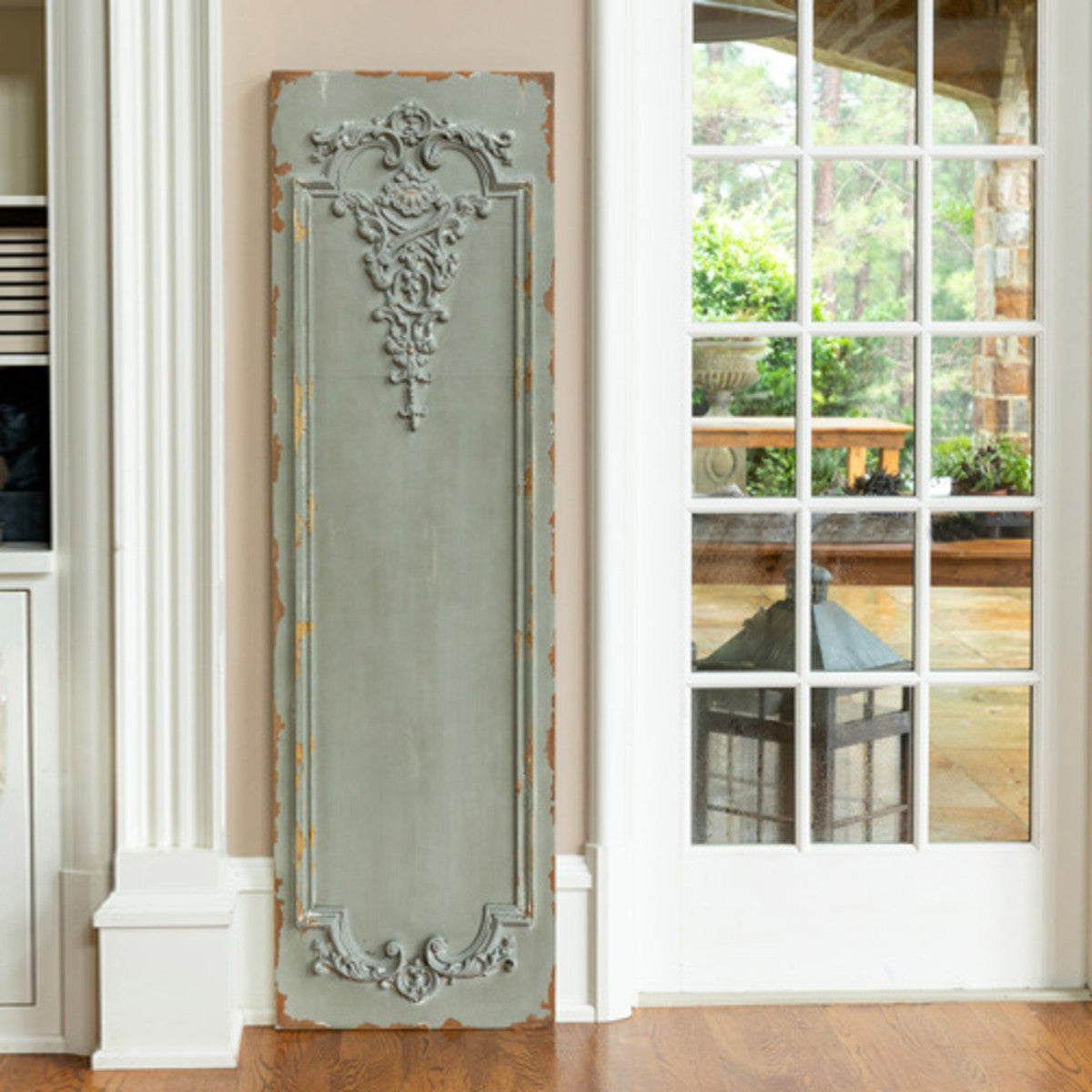
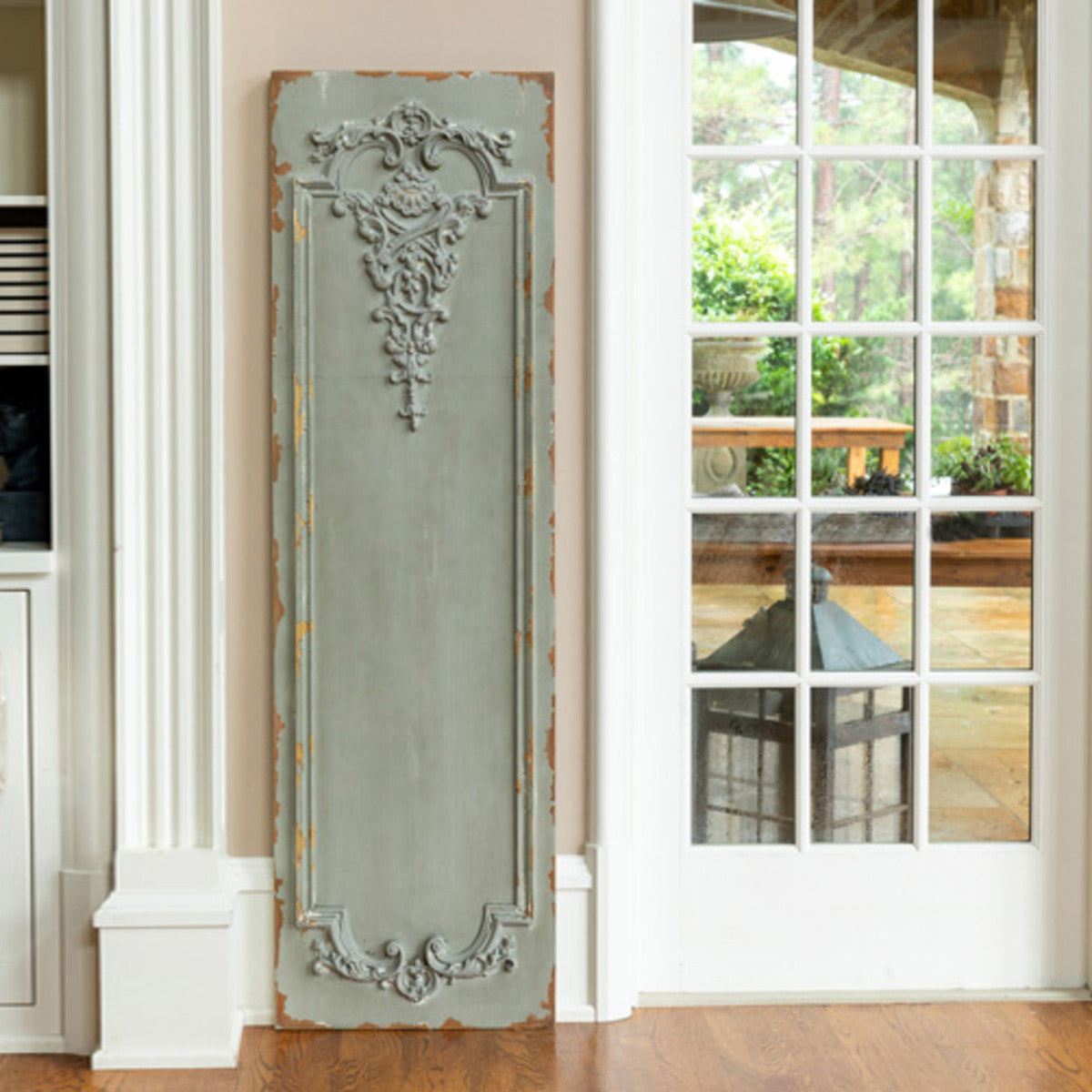
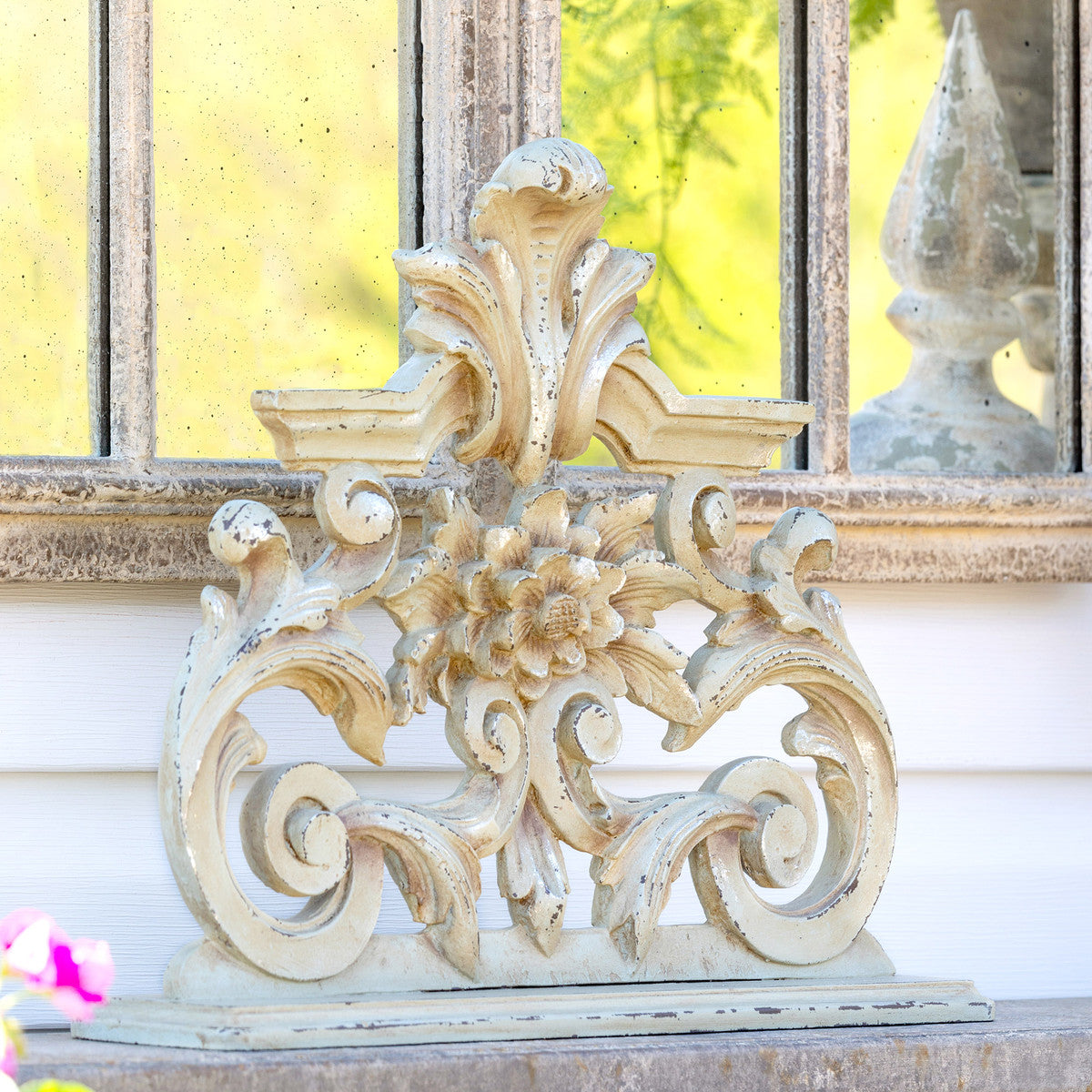
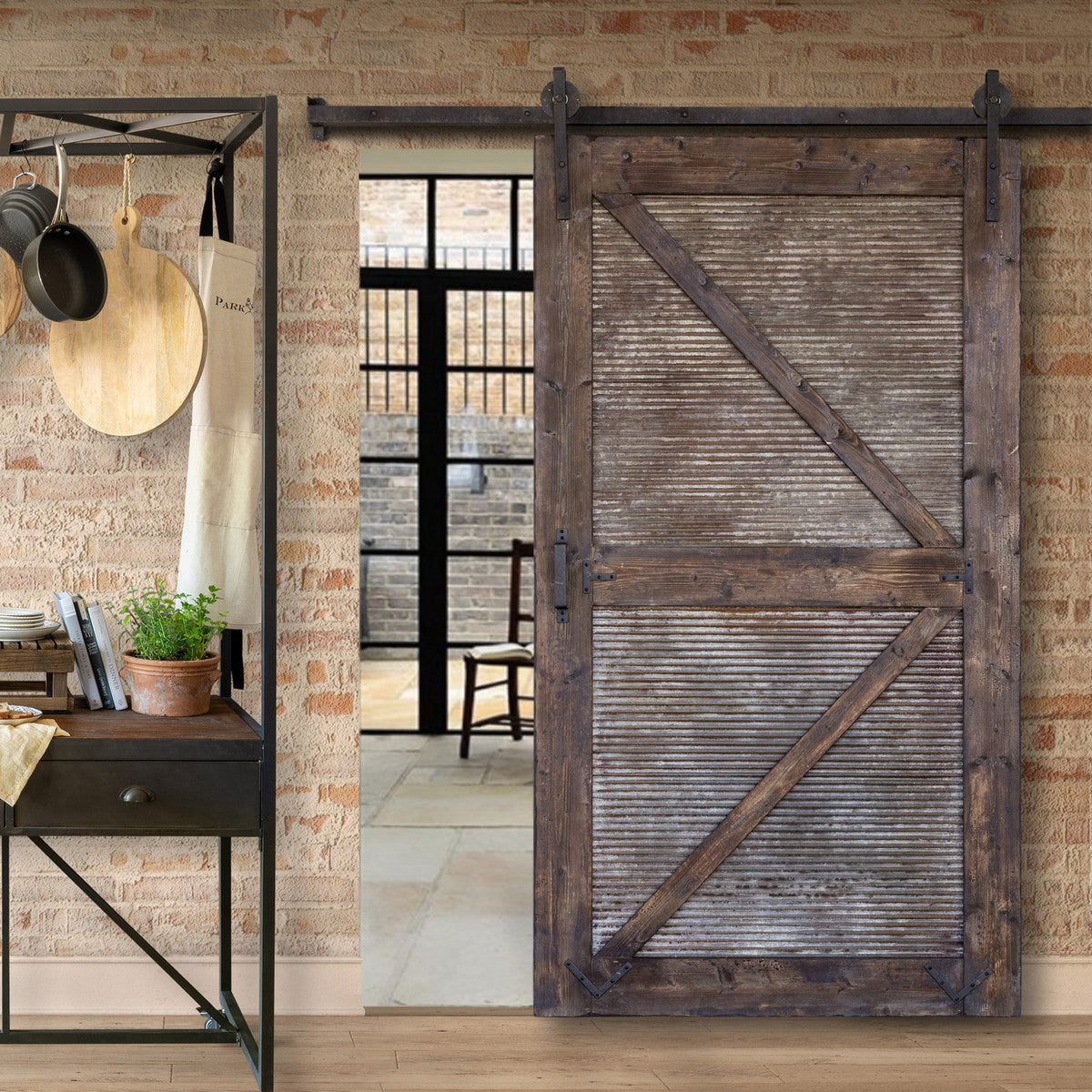
Tall panels, dimensional ornaments and decorative fragments can create the feeling of old millwork or architectural salvage while functioning primarily as wall decor.

Architectural Accents & Display Decor
Some decorative pieces change the way a room feels. Others change the way objects are presented. This collection brings both ideas together with architectural accents and distinctive display pieces chosen for their structure, scale and visual character.
Explore architectural wall panels, decorative doors and ornaments alongside cloches, risers, pedestals, tiered stands and unusual display elements for homes, boutiques, retail spaces, events and hospitality settings.
Before ordering: review the overall dimensions, weight, material, finish, mounting requirements and intended use. For serving or food-display applications, confirm that the individual piece is appropriate for the way you plan to use it.
More Than Ordinary Decor
Architectural and display pieces share something important: they create structure. A decorative panel gives a blank wall dimension. A pedestal raises an object into view. A cloche creates a defined focal point, while a tiered stand turns a collection into an arrangement.
That makes these pieces especially useful when ordinary tabletop decor is not quite enough. They can create height, establish boundaries, frame smaller objects and introduce the architectural feeling of aged wood, metalwork, glass or old-world ornament.
Give the Space Some Architecture
Architectural accents introduce the proportions, ornament and surface detail associated with doors, millwork and older buildings without requiring a full remodeling project.
Tall panels, dimensional ornaments and decorative fragments can create the feeling of old millwork or architectural salvage while functioning primarily as wall decor.
Door forms, decorative pediments and ornamental crowns bring stronger architectural lines to walls, windows, mirrors, mantels and other focal areas.
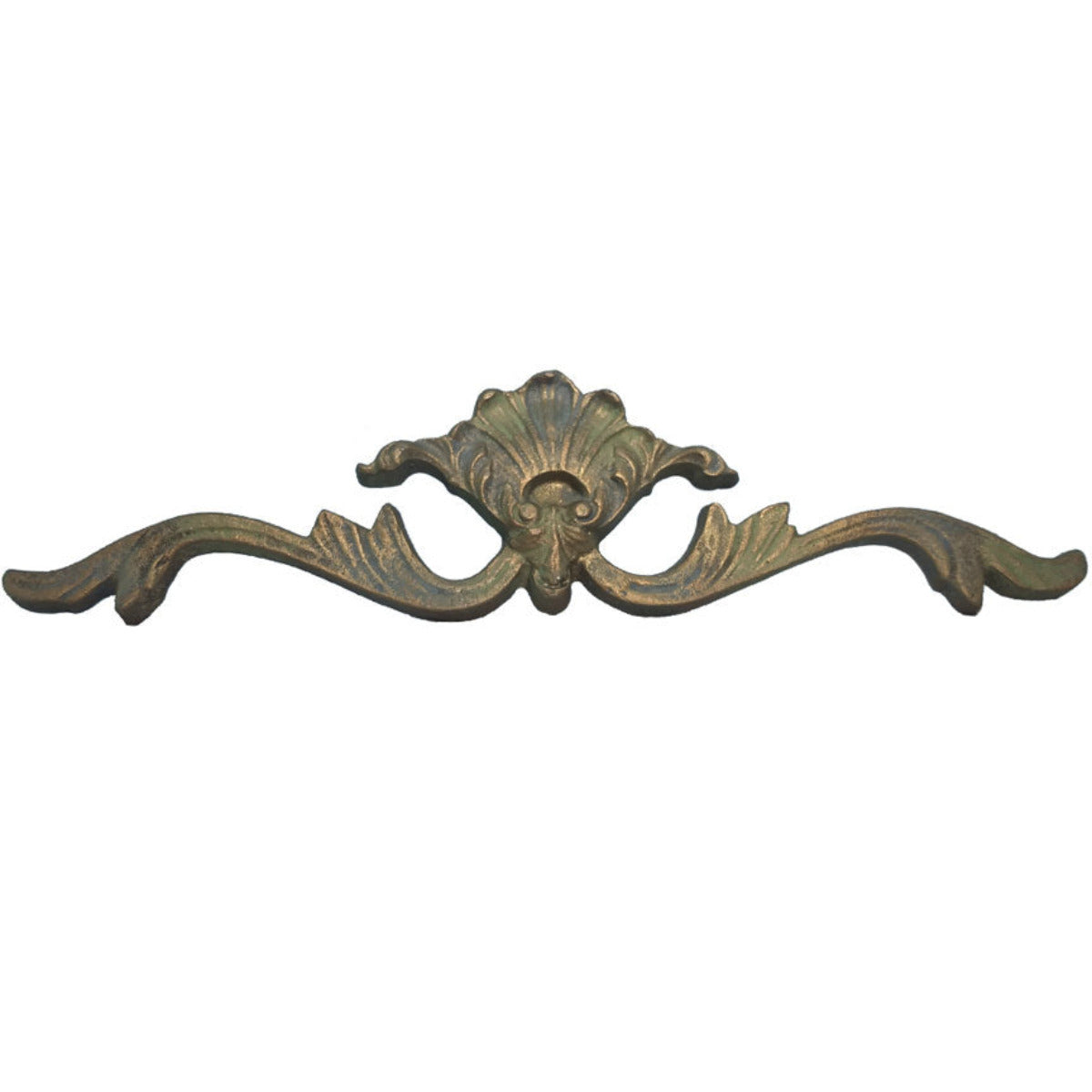
Scrolls, crests and corbel forms introduce traditional architectural ornament. Decorative versions should not be assumed to provide structural support unless specifically designed for that purpose.
Presentation Changes Everything
Raising one object, enclosing another or creating different levels can make a display easier to see and far more intentional.
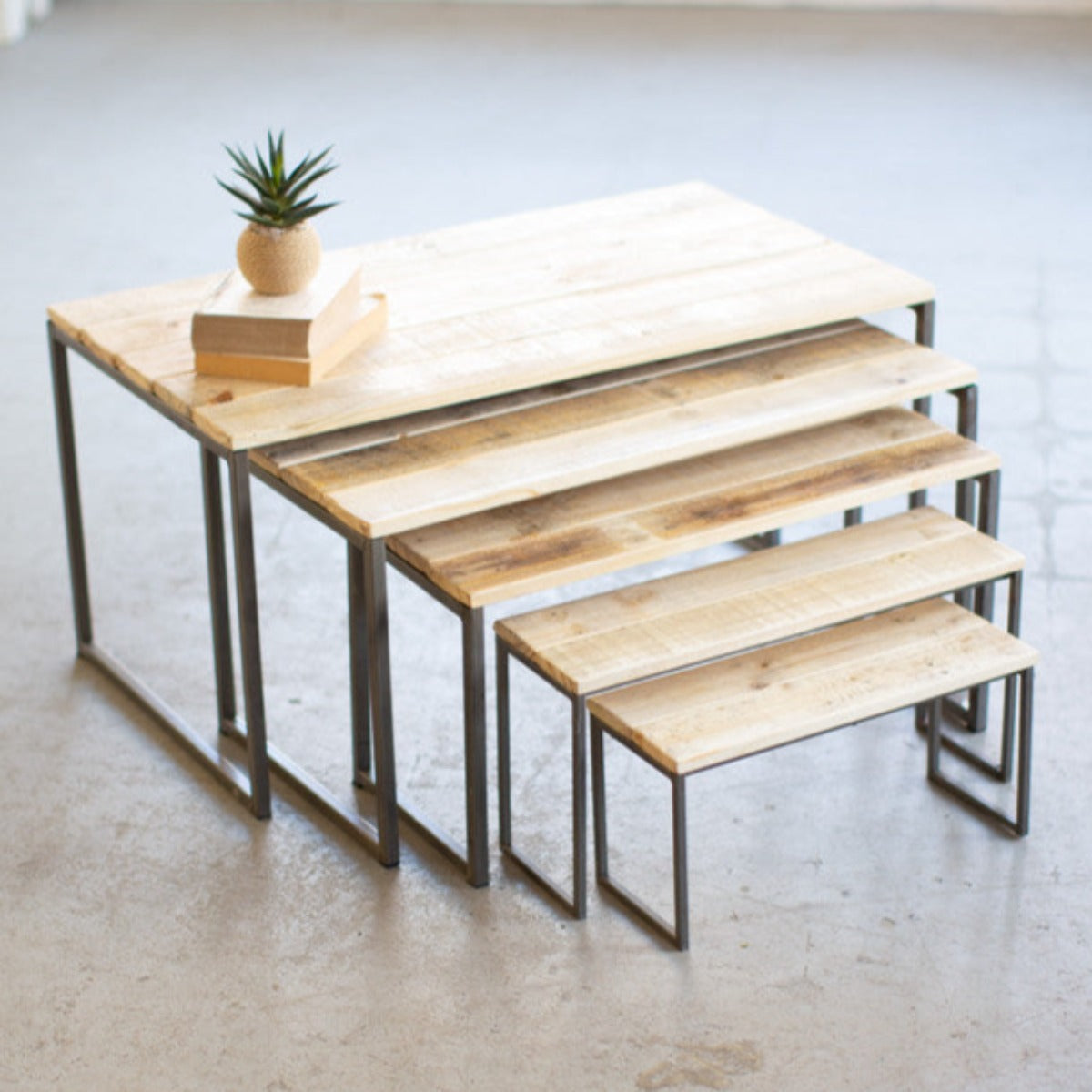
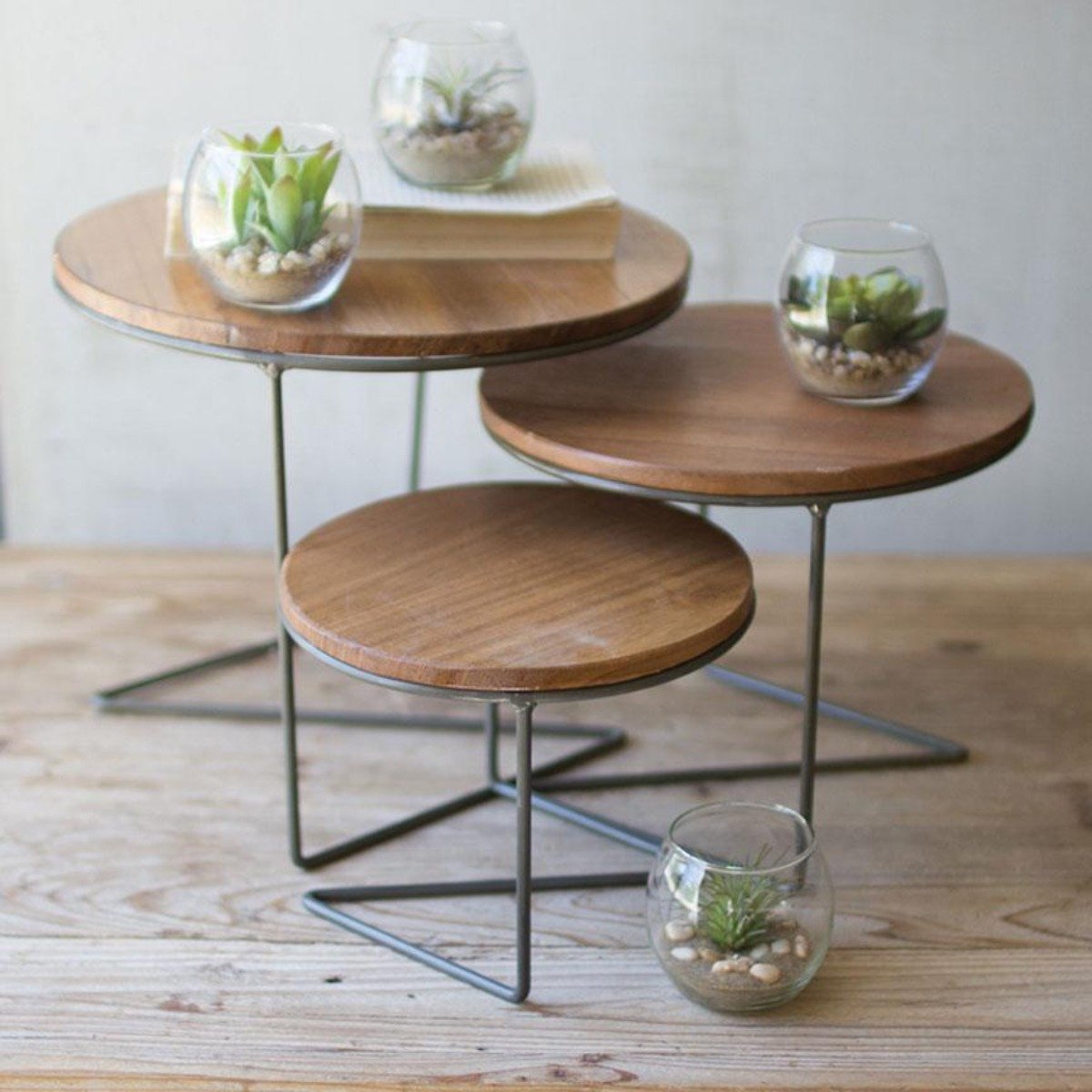
A riser creates a new level within a display and helps smaller objects stand out. Wood, metal, glass and mixed-material designs can also introduce another texture to the arrangement.
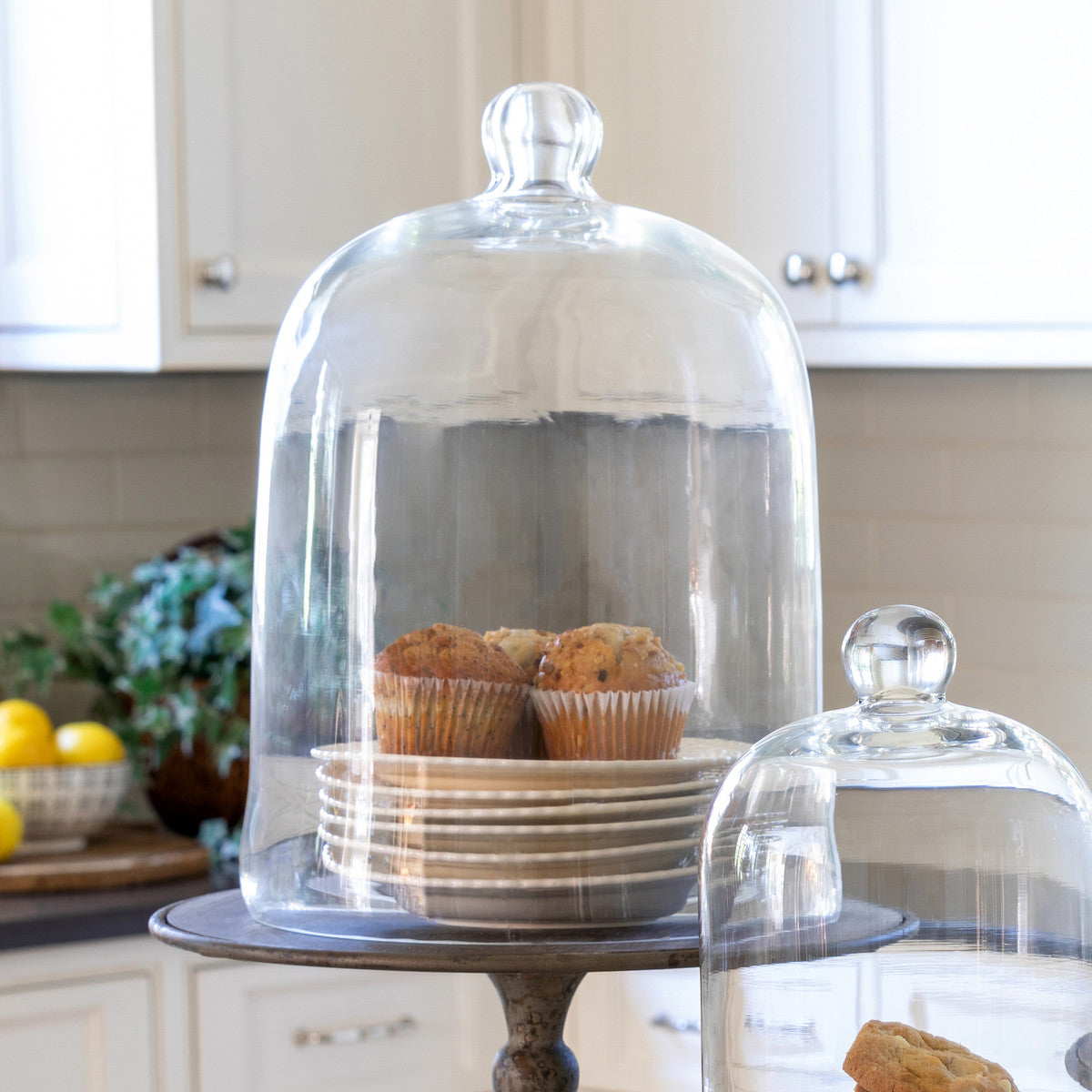
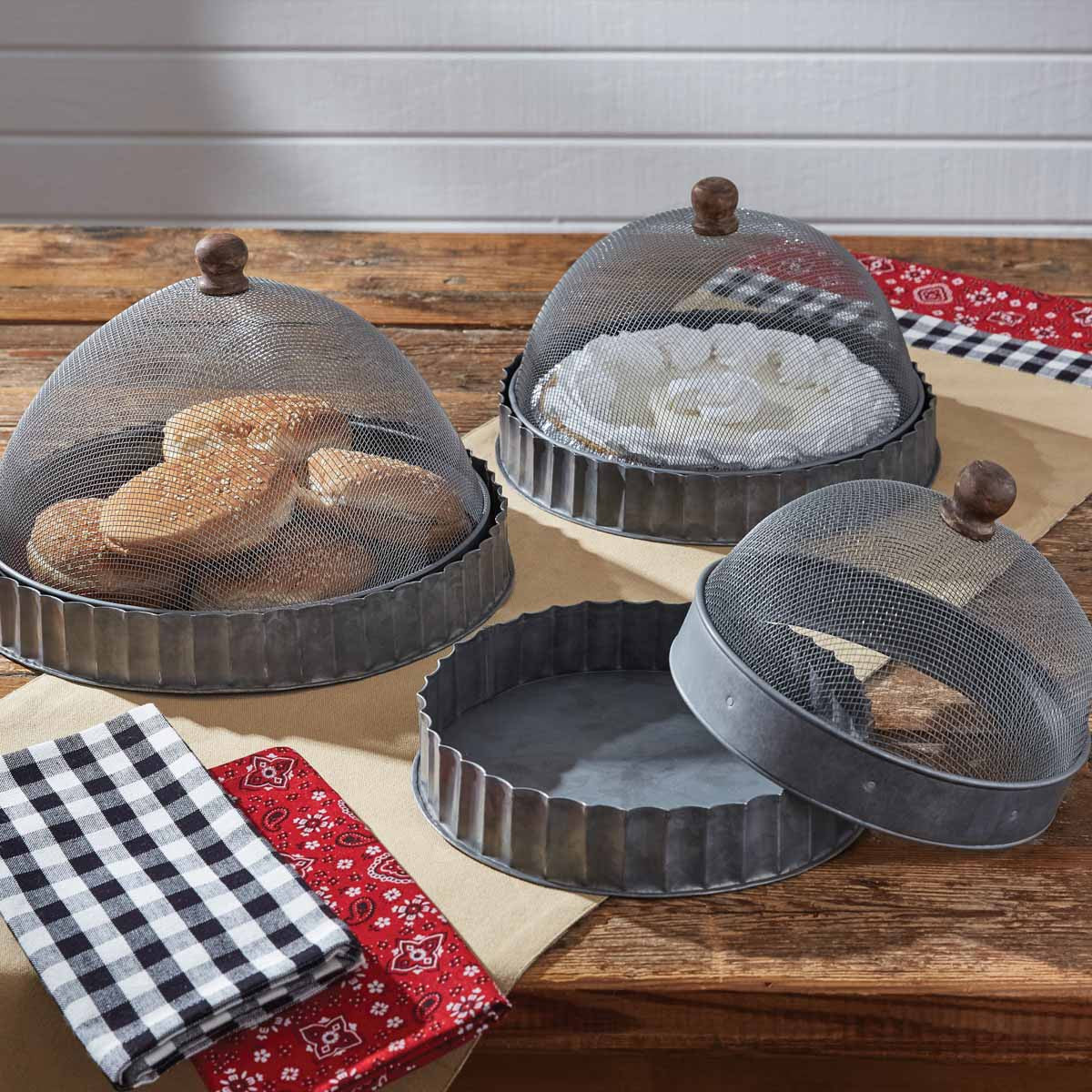
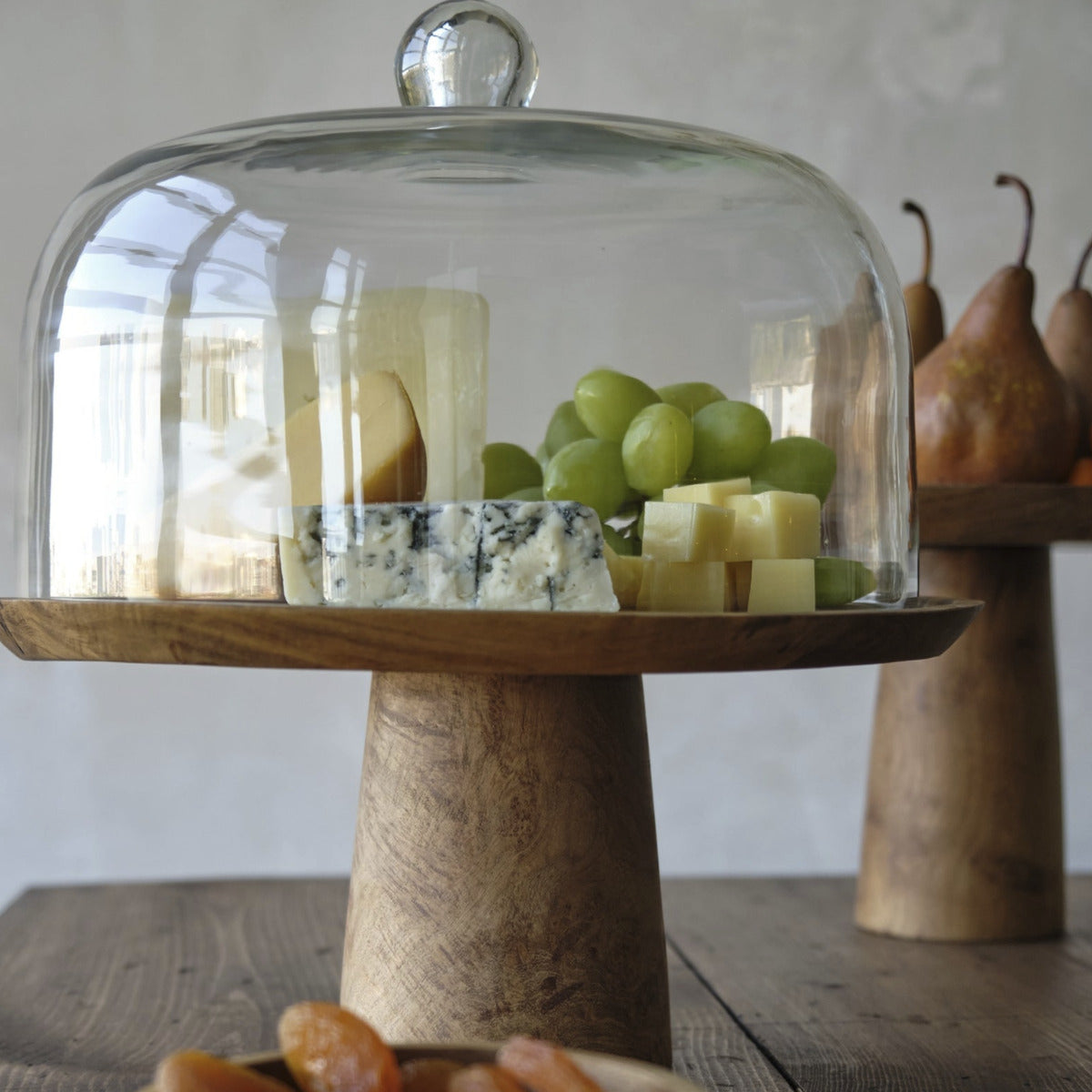
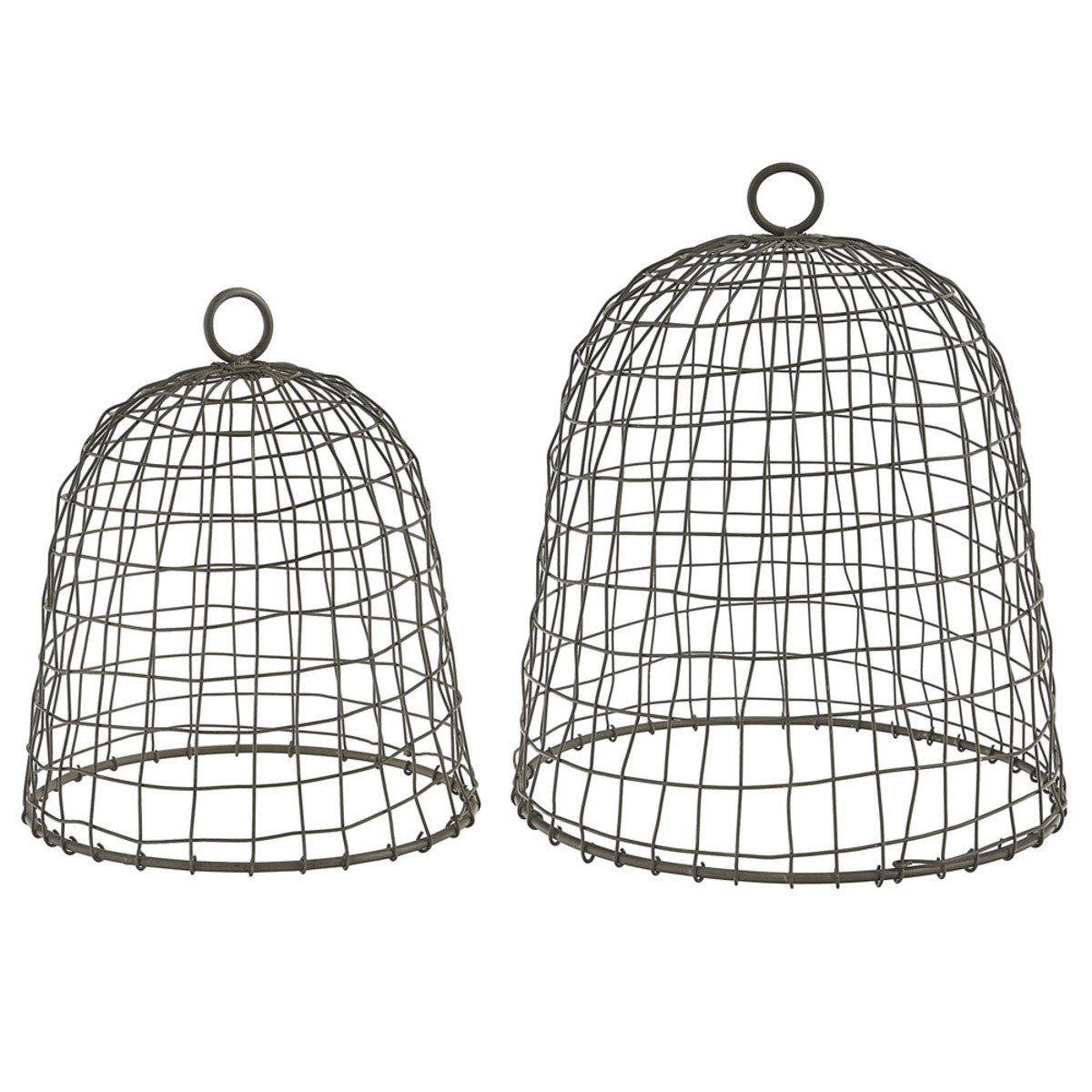
Glass and wire cloches frame plants, collectibles, seasonal pieces and display objects while allowing the contents to remain visible from several directions.
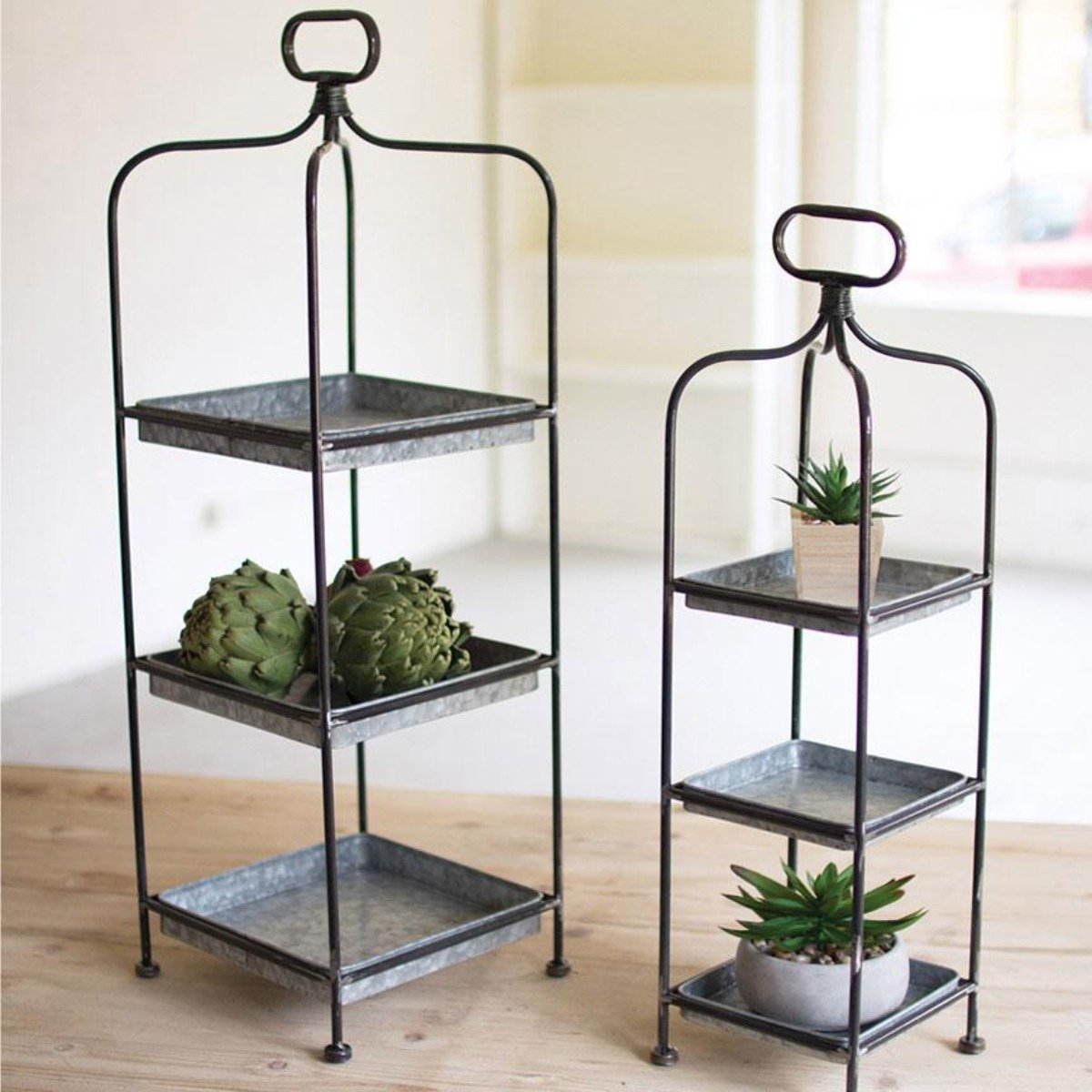
Tiered stands and open metal structures create vertical presentation without the visual mass of solid furniture, making them useful when several items need to share a small footprint.
Need More Display Height?
This collection includes selected display pieces because their unusual forms work naturally with architectural decor. If your primary goal is simply to elevate objects or create layered tabletop displays, our Pedestals & Risers collection offers a more focused assortment.
Decorative Displays Beyond the Home
Many pieces in this collection can be used anywhere that products, objects or seasonal displays need more height and visual definition.
Use risers, pedestals and stands to lift smaller merchandise, create levels within a tabletop display and help featured products stand apart.
Portable stands and smaller risers can help build vertical interest at craft markets, pop-up shops and temporary displays where table space is limited.
Cloches, pedestals and tiered pieces can create focal points for weddings, holiday displays, floral arrangements and other temporary decorative installations.
Some stands and risers can be useful for buffet, bakery or restaurant presentation. Always check the individual product description before allowing food to contact a decorative surface directly.
Just as Useful at Home
A raised stand can create height within a large island arrangement, while wire structures, domes and pedestals can help contain seasonal or decorative displays.
Combine one elevated object with books, lamps and lower pieces to create a layered arrangement without filling the entire surface with similarly sized accessories.
Small pedestals and risers can lift a favorite object above surrounding books or decor, while cloches create a clear focal point around items worth highlighting.
Choose for the Job
Need height? Choose a riser, pedestal or tiered stand that raises the item enough to be visible without overpowering what surrounds it.
Need a focal point? A cloche, dome or decorative enclosure can visually separate one object from the rest of a larger arrangement.
Need architectural character? Look to panels, door forms, pediments and ornamental pieces that create texture and structure on the wall.
Need to display several items? Tiered or open-frame structures allow multiple pieces to share the same footprint while remaining individually visible.
Need to move the display frequently? Check overall weight and whether the piece includes handles, separate components or fragile glass elements.
Need it for merchandise? Compare the display dimensions with the actual products being presented rather than judging the stand only from its photograph.
Check weight capacity, stability, dimensions, material and care information for the individual product, particularly when it will hold merchandise, food, plants or frequently handled items.
Material Helps Set the Mood
Architectural and display pieces use a broad mix of materials. Exact construction and finish should always be checked on the individual product page.
Wood brings grain, warmth and visual weight to risers, doors, panels and pedestals. Natural or handcrafted pieces may show variation in tone, edge and surface detail.
Iron, steel, aluminum and wire structures create open forms, architectural lines and useful display frameworks while allowing surrounding surfaces to remain visible.
Glass domes and cloches create enclosure without hiding the contents, while combinations of glass, wood and metal can add useful contrast within a display.
Build the Display in Layers
Establish the visual anchor first, then place lower pieces around it. This is usually easier than adding height after the display already feels crowded.
Two or three distinct elevations are often enough to give a tabletop display dimension without making every object compete for attention.
Empty surface is part of the composition. It allows architectural forms, merchandise and collected objects to remain distinct instead of blending into one crowded arrangement.
Common Questions
This collection combines decorative architectural elements such as panels, doors and ornamental pieces with risers, pedestals, cloches and stands that help structure or elevate a display. Both groups are used to add height, dimension and visual organization rather than simply filling a surface.
Many risers, pedestals, tiered stands and display structures can work well in boutiques, retail displays, markets and other merchandising settings. Check the individual dimensions, construction and stability to make sure the piece is appropriate for the merchandise being displayed.
Some pieces may be suitable for food presentation while others are decorative only. Check the individual product information before placing food directly on any display surface. A liner or separate food-safe plate may be appropriate for some decorative displays.
The terms overlap. A riser generally raises an object a relatively small amount within a tabletop display, while a pedestal often creates a more substantial or visually independent platform. Product names vary, so dimensions and proportions are more useful than terminology alone.
Cloches can frame decorative objects, faux botanicals, natural collections, seasonal arrangements and other pieces that fit comfortably inside. For live plants or food, confirm that the particular enclosure and materials are appropriate for that use.
Not necessarily. Many pieces are newly made with distressed, antiqued or vintage-inspired finishes. Unless a product is specifically described as antique, reclaimed or architectural salvage, its aged appearance should not be interpreted as proof of age.
Do not assume so. Decorative architectural elements may be intended only for visual use. Shelves, countertops and other structural applications require hardware specifically rated and installed for the intended load.
Absolutely. Risers, cloches, pedestals and display stands work especially well on kitchen islands, consoles, dining tables, bookshelves and mantels where adding height or separating one object from another improves the arrangement.
Continue Exploring