
Rabbits, Hares & Woodland Characters
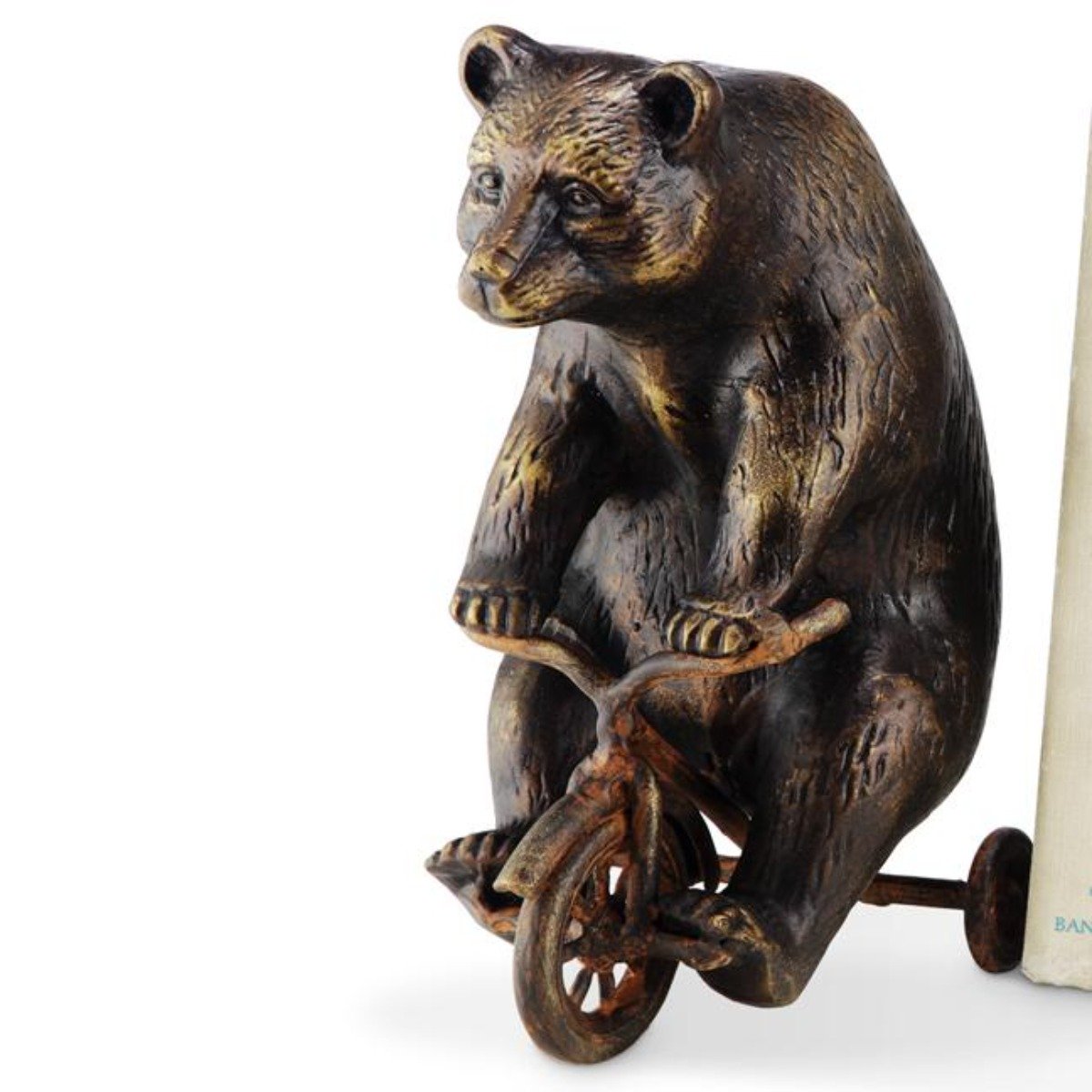
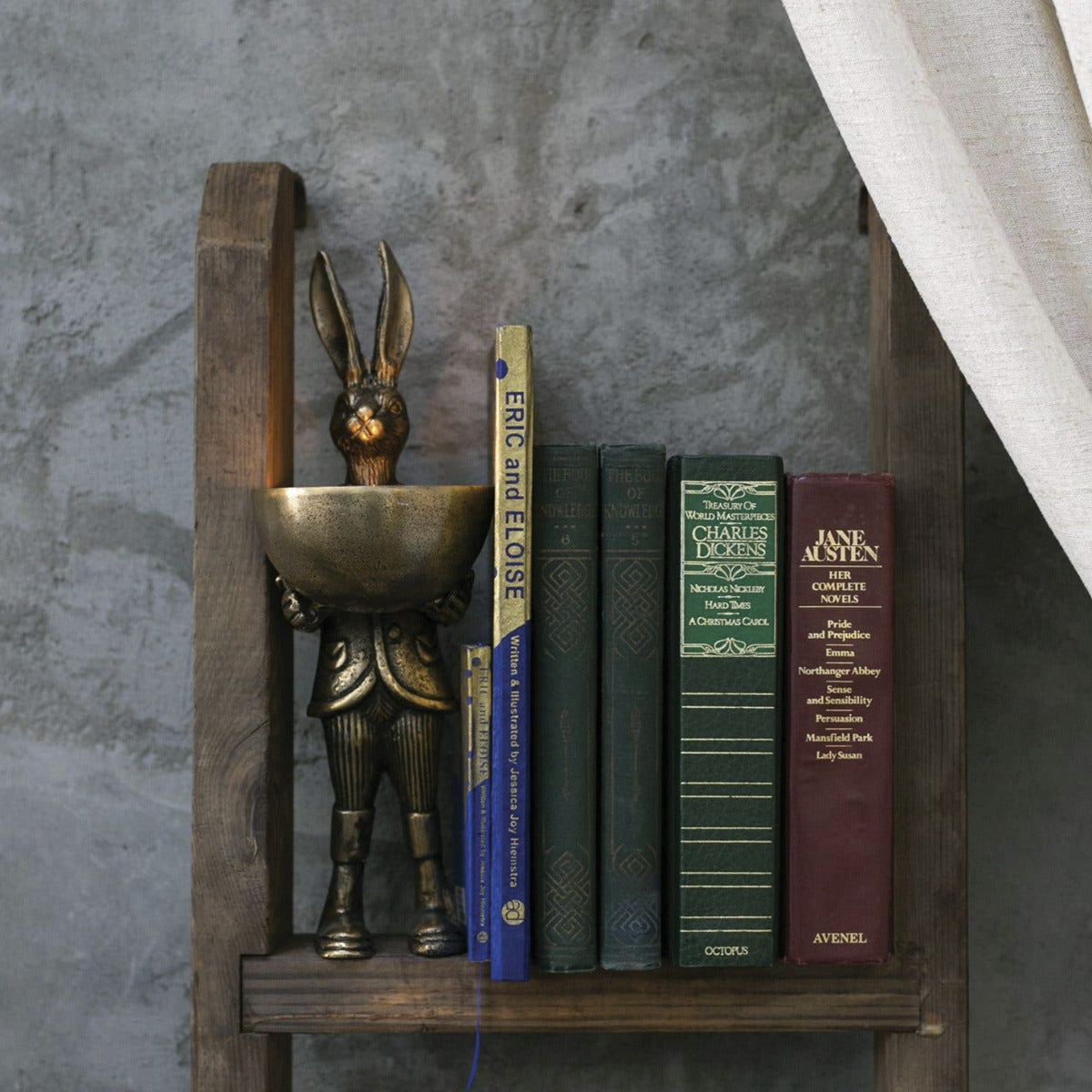
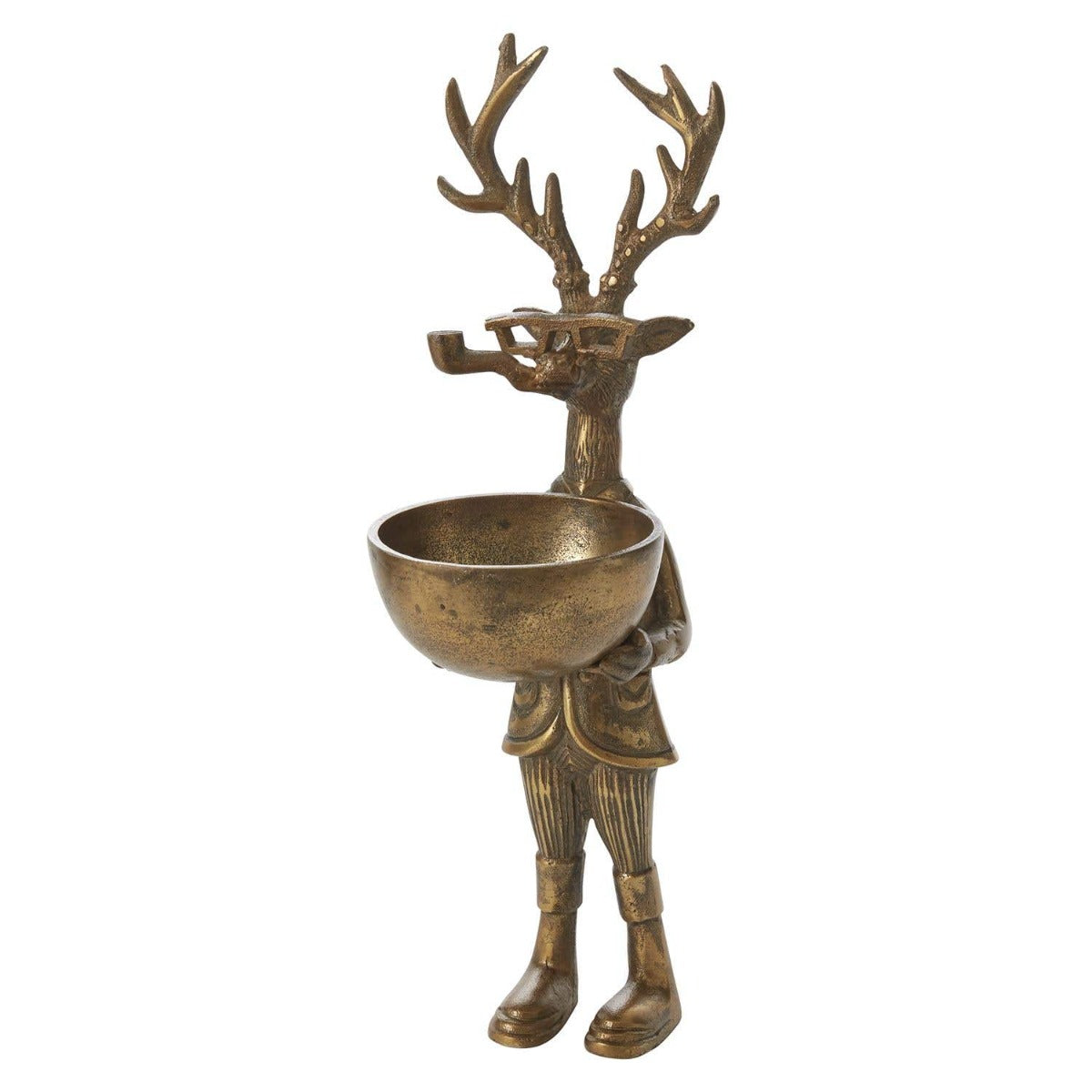
Hares, rabbits, foxes, bears, deer and moose bring woodland character to shelves, consoles and mantels. Depending on the finish and form, the same subject can feel rustic, whimsical or surprisingly elegant.
Family-Owned Since 1999 • Shipping Included on Orders $100+
Your Cart is Empty

Decorative Objects
The objects gathered on a shelf, desk or table often say more about a room than the larger furnishings. A sculptural figure, whimsical animal or hand-finished accent adds texture, shape and a detail worth noticing.
Explore decorative objects, tabletop sculptures and figurines in iron, metal, wood, resin, ceramic and mixed materials, including animals, birds, folk art, nature-inspired accents and distinctive pieces made to stand on their own.
Before ordering: review the overall dimensions, material, finish, weight, intended use and whether the piece is sold individually or as a set on the individual product page.
The Finishing Layer
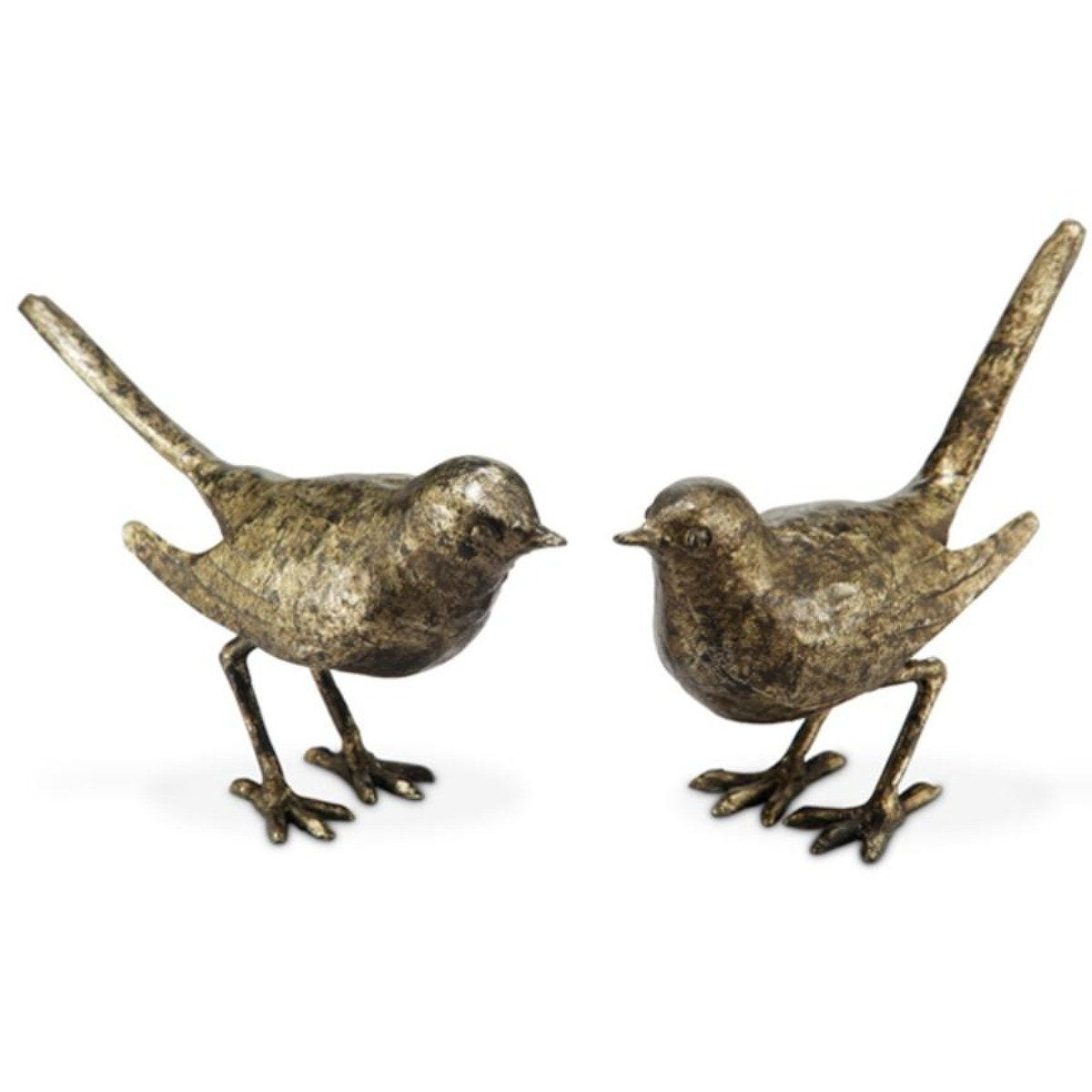
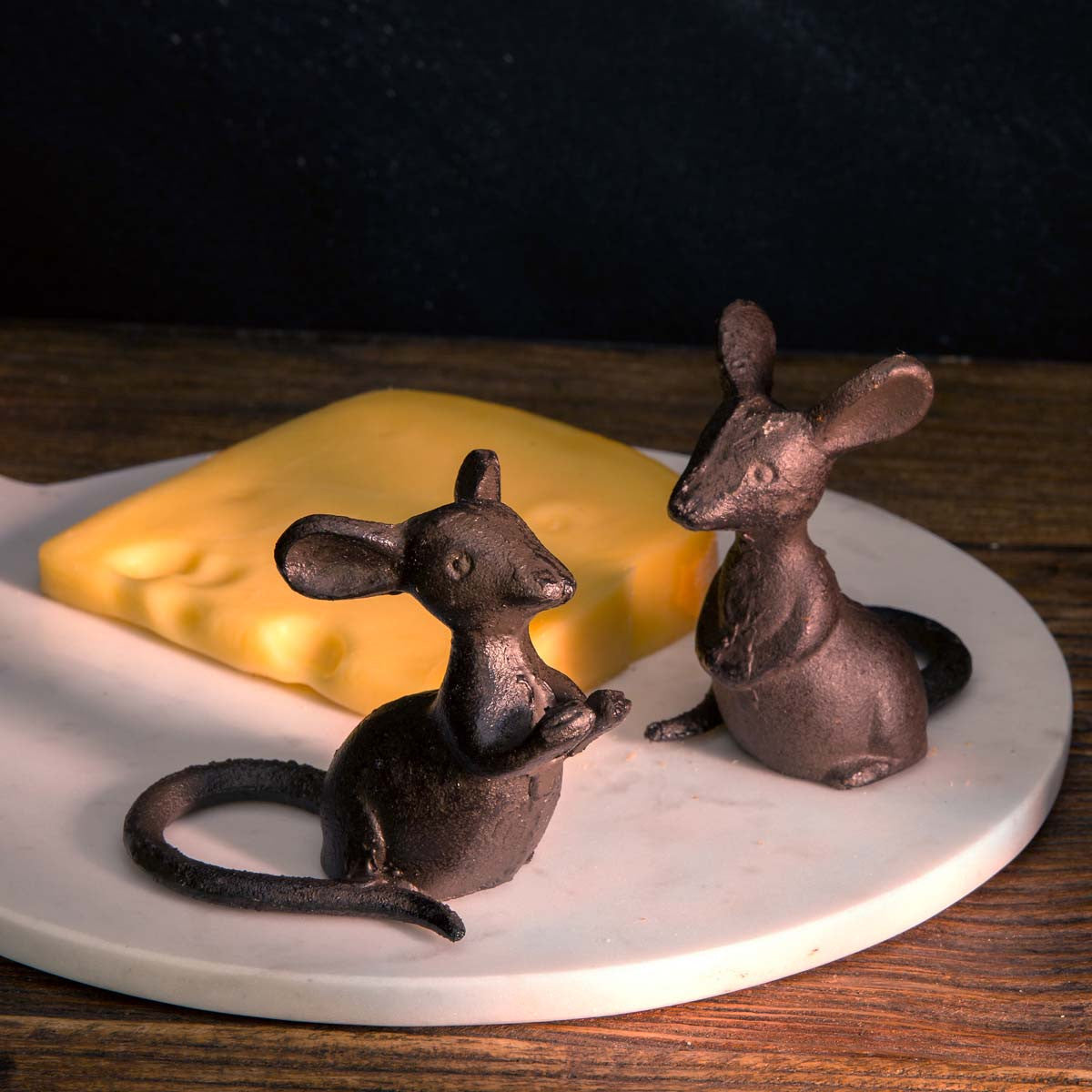
Furniture establishes the room, but smaller objects give it individuality. A cast iron mouse tucked beside a stack of books, a pair of birds on a console or a sculptural hare on a mantel creates a moment that feels discovered rather than simply decorated.
These pieces work because they introduce another scale and shape into the room. Metal can add contrast to wood shelving, a ceramic figure can soften an industrial surface and an animal sculpture can bring a little humor to an otherwise formal arrangement.
Nature with a Little Personality
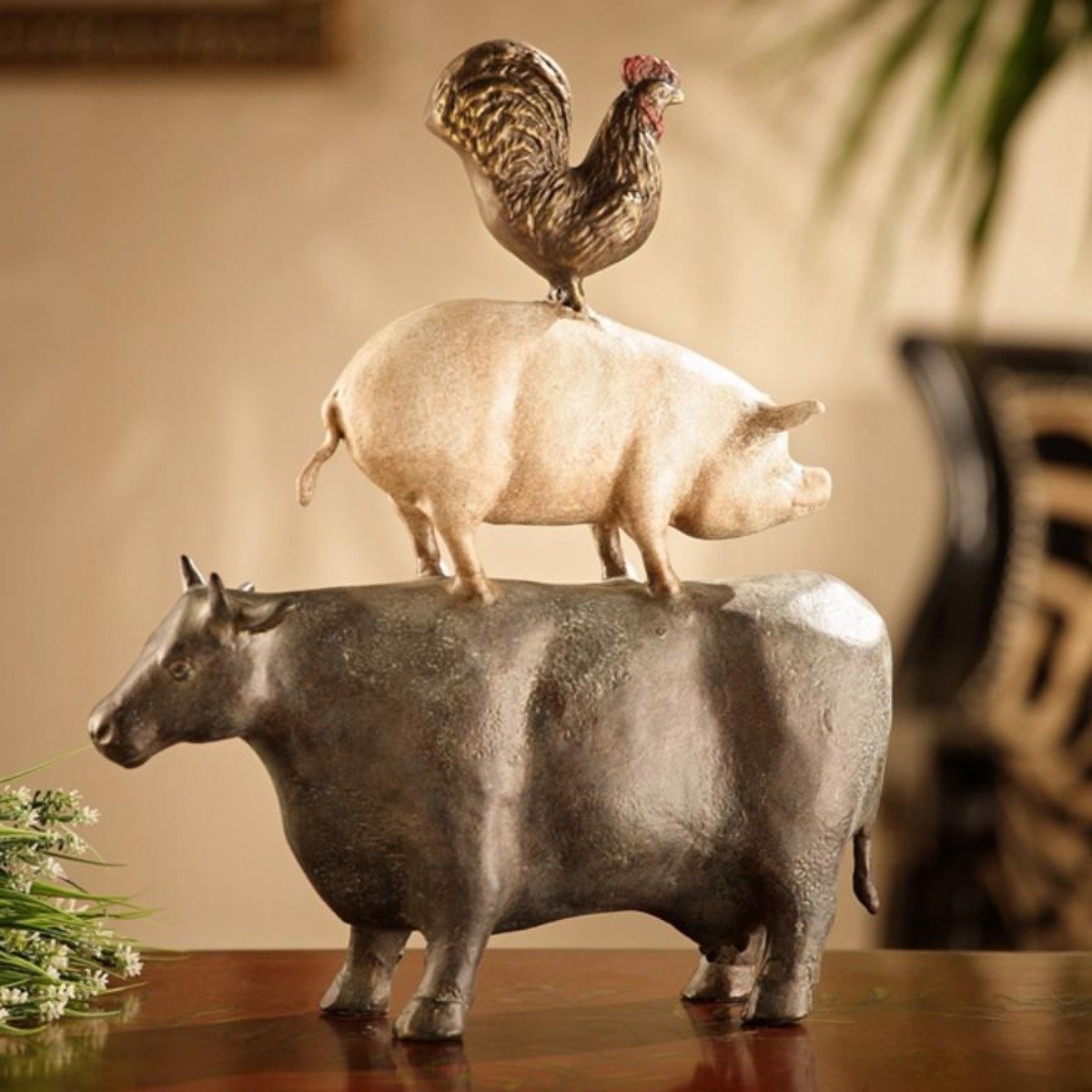
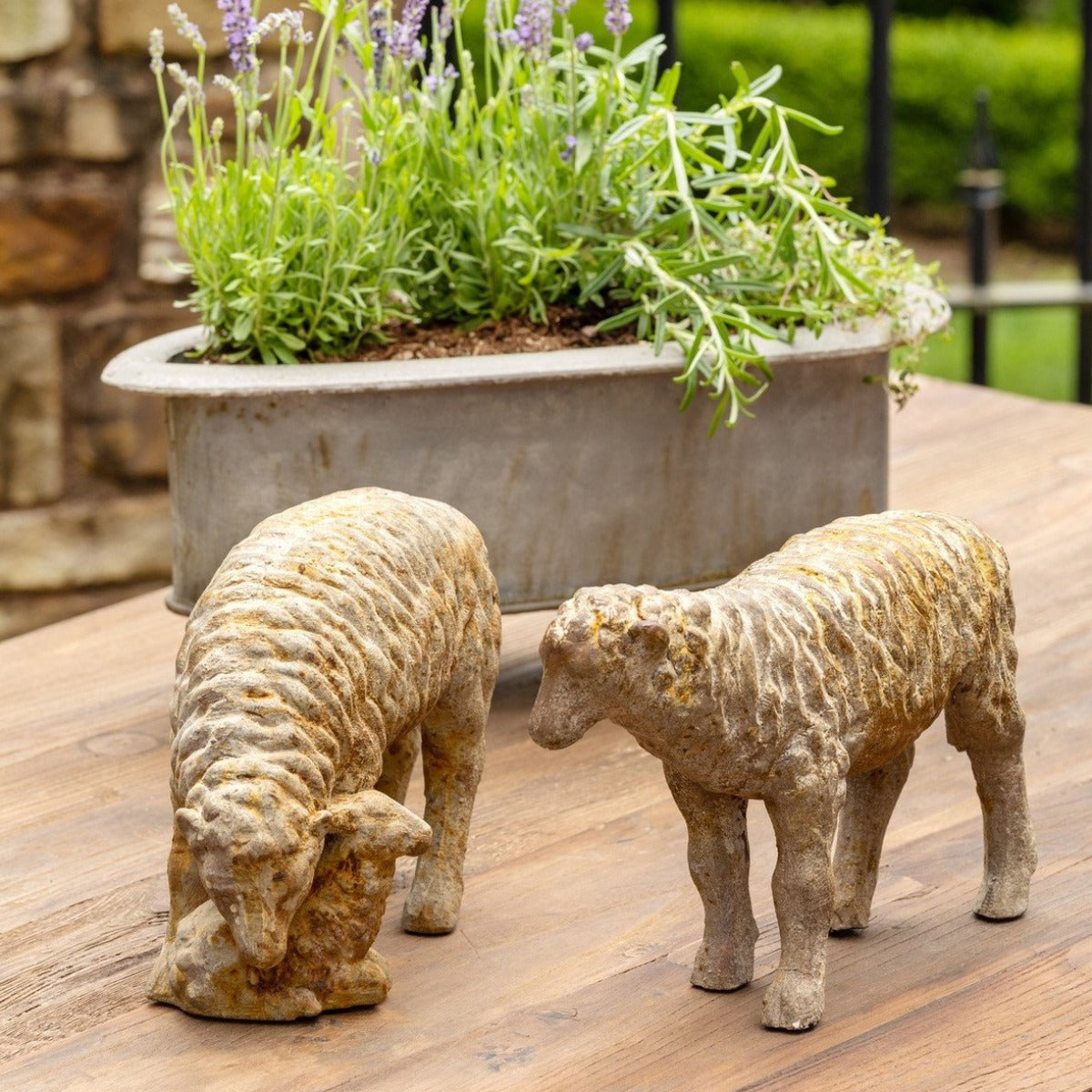
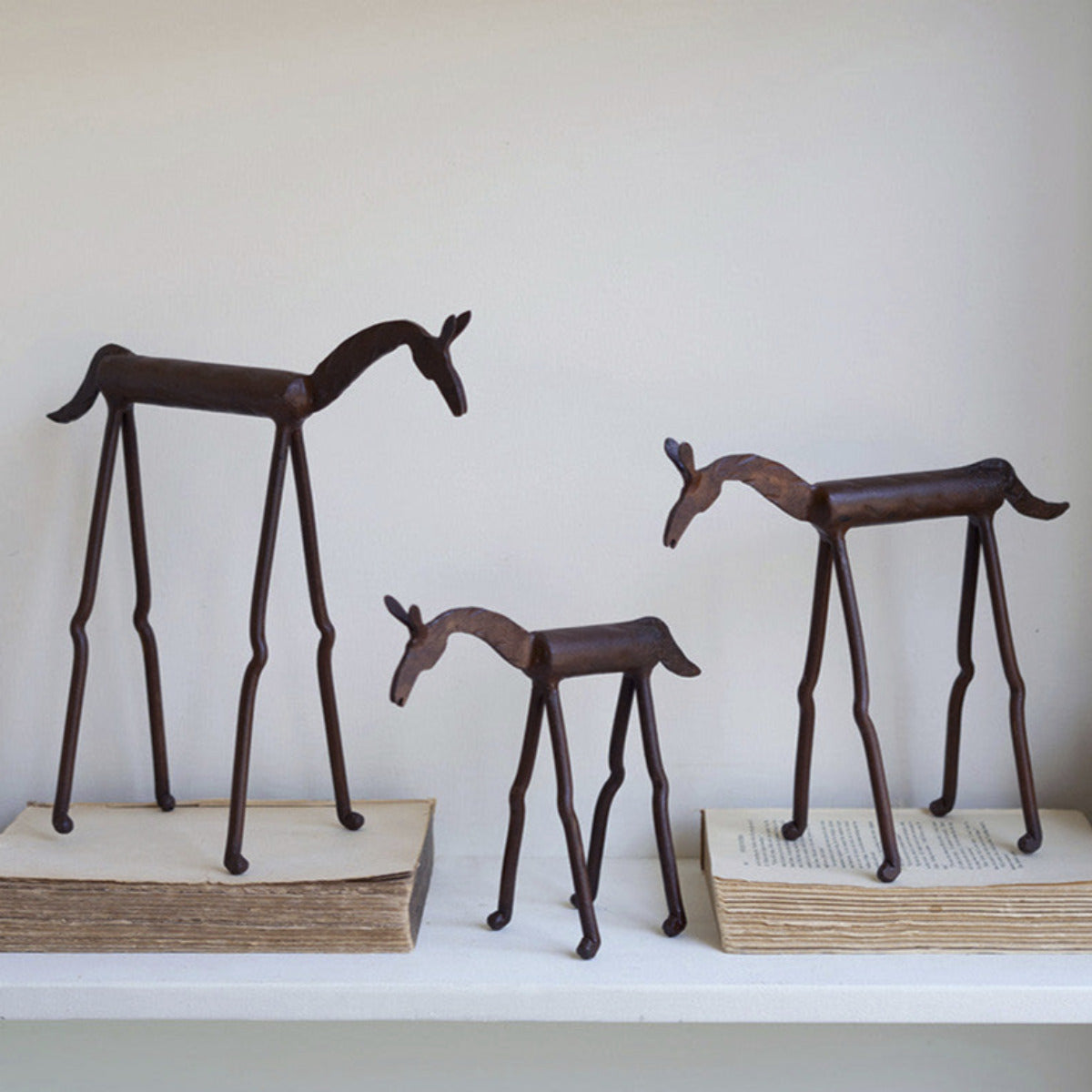
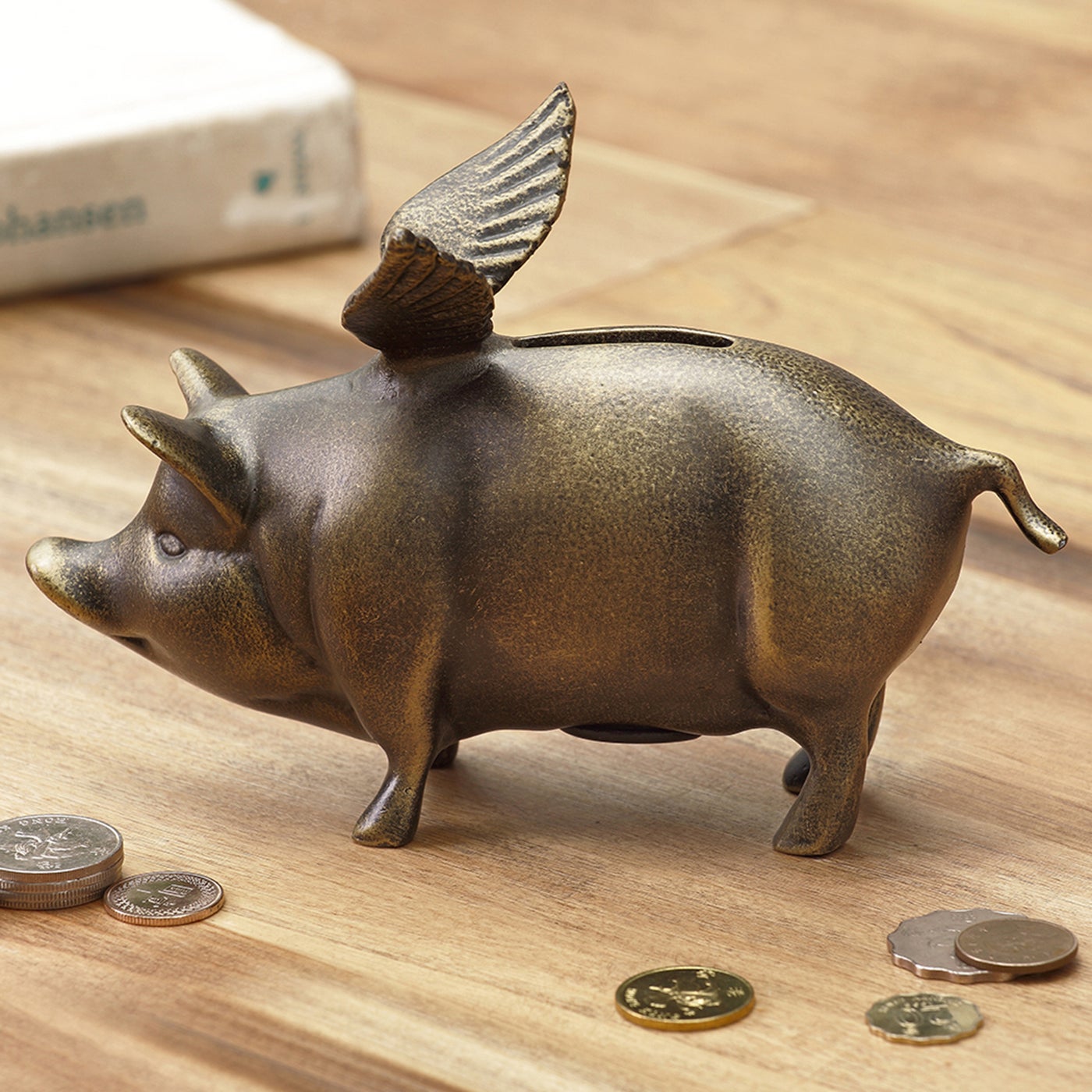
Animal and nature-inspired pieces are one of the strongest themes in this collection, ranging from small cast iron figures to substantial tabletop sculptures.
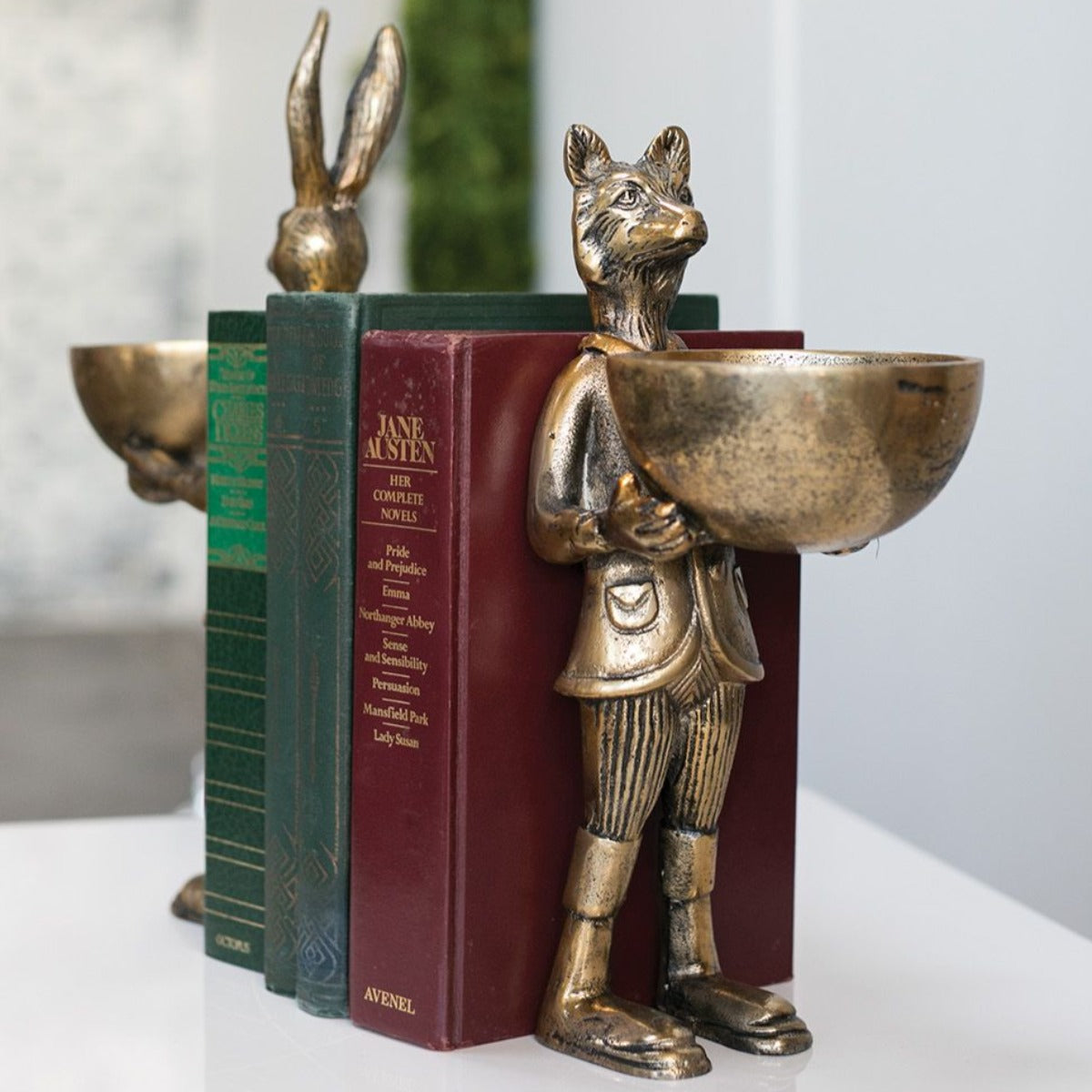
Hares, rabbits, foxes, bears, deer and moose bring woodland character to shelves, consoles and mantels. Depending on the finish and form, the same subject can feel rustic, whimsical or surprisingly elegant.
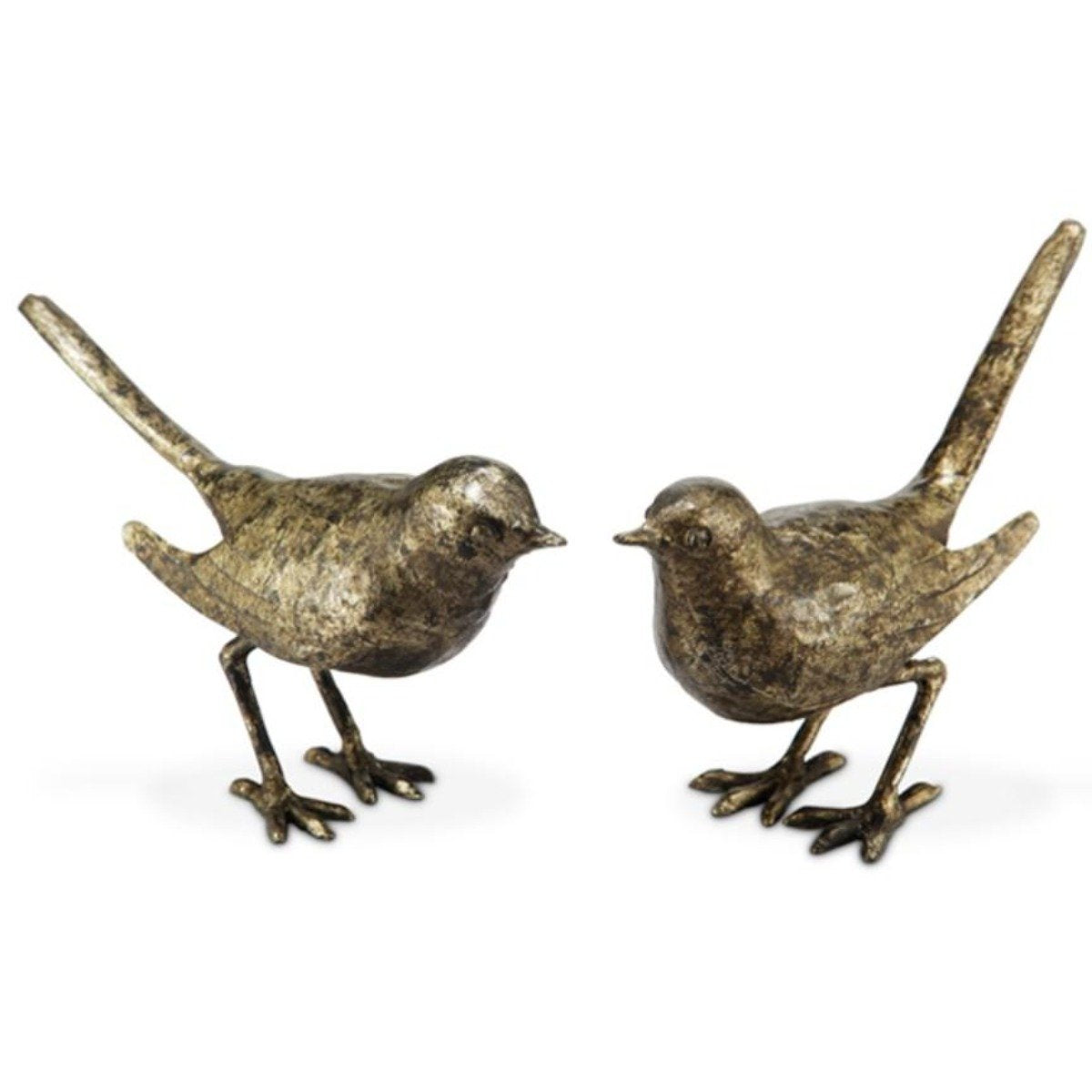
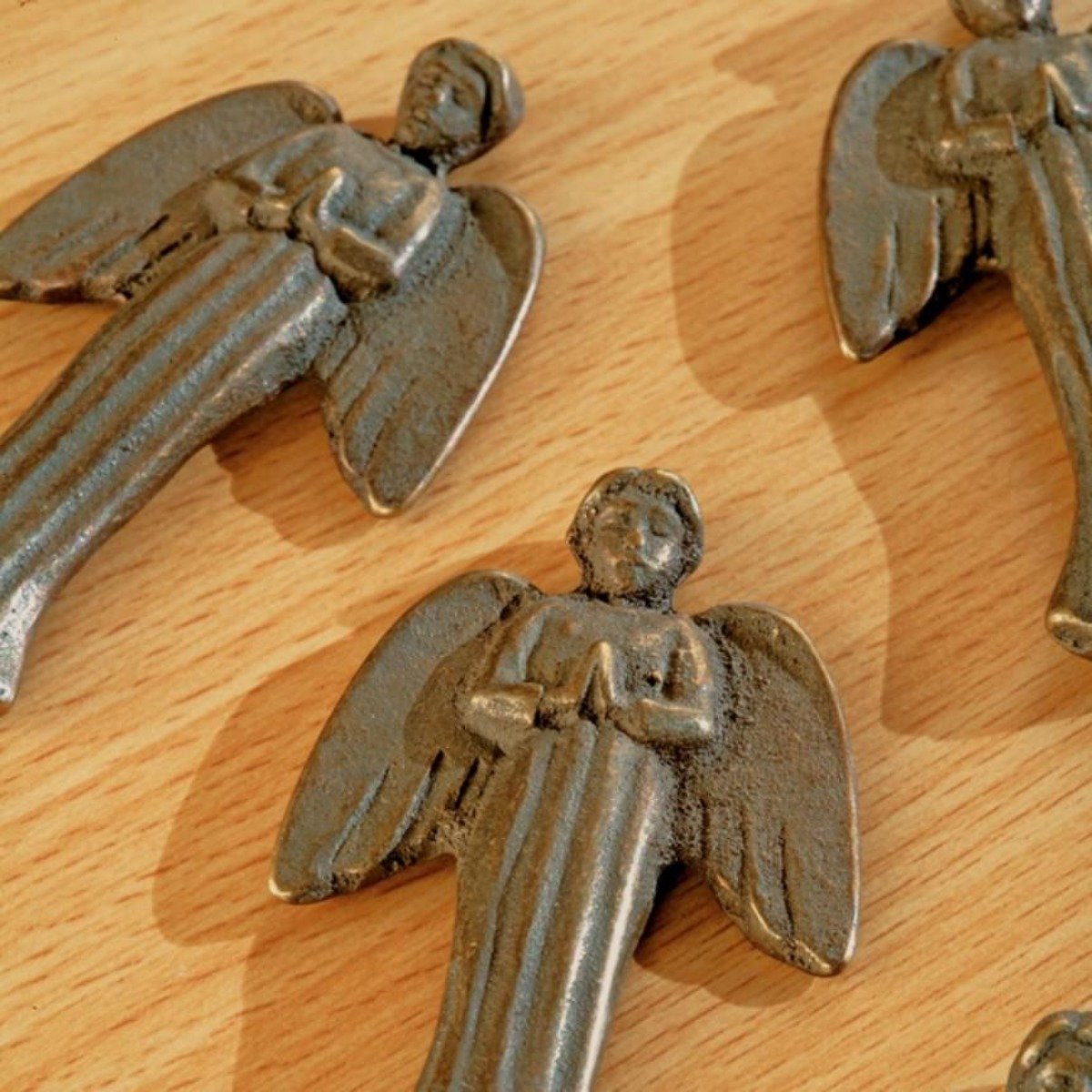
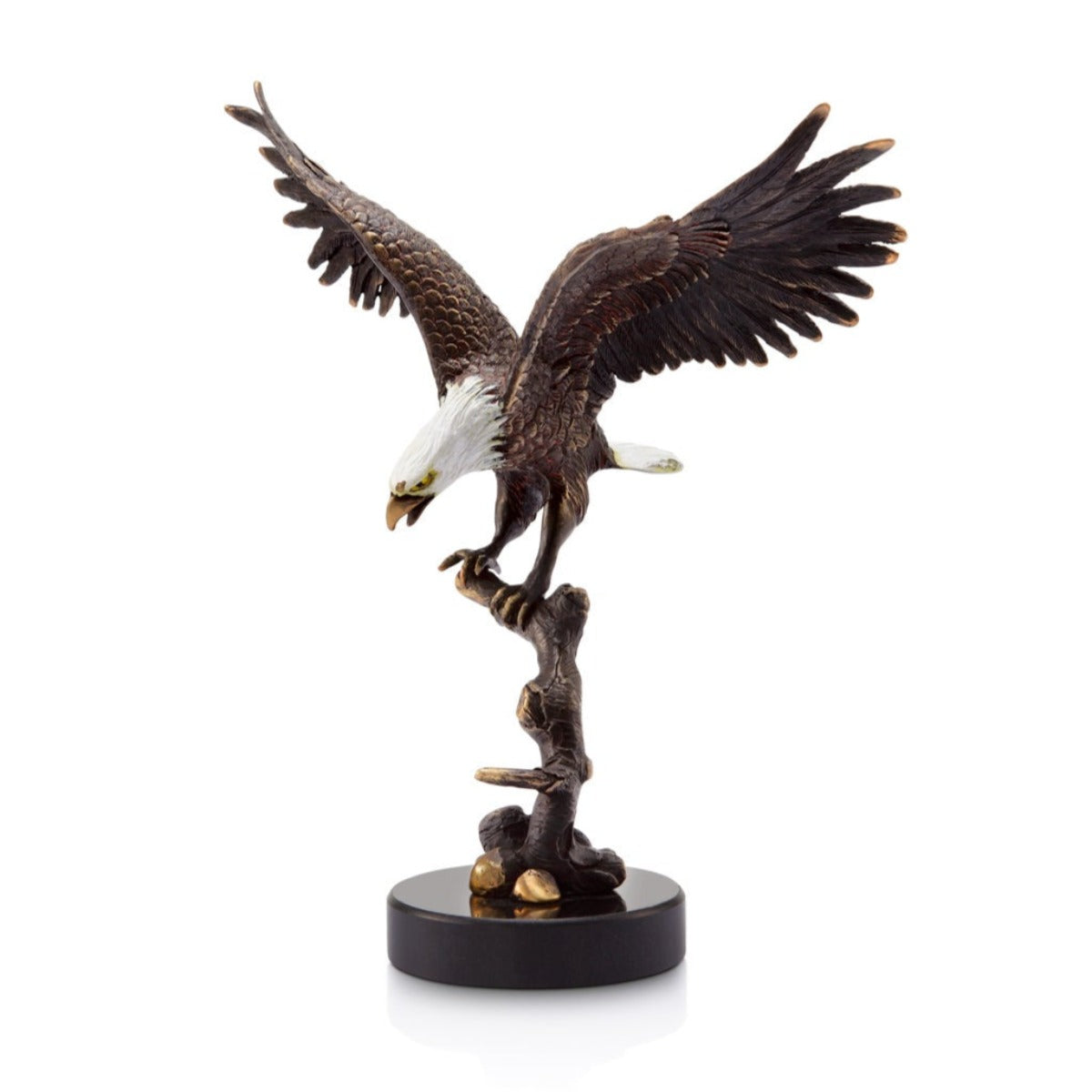
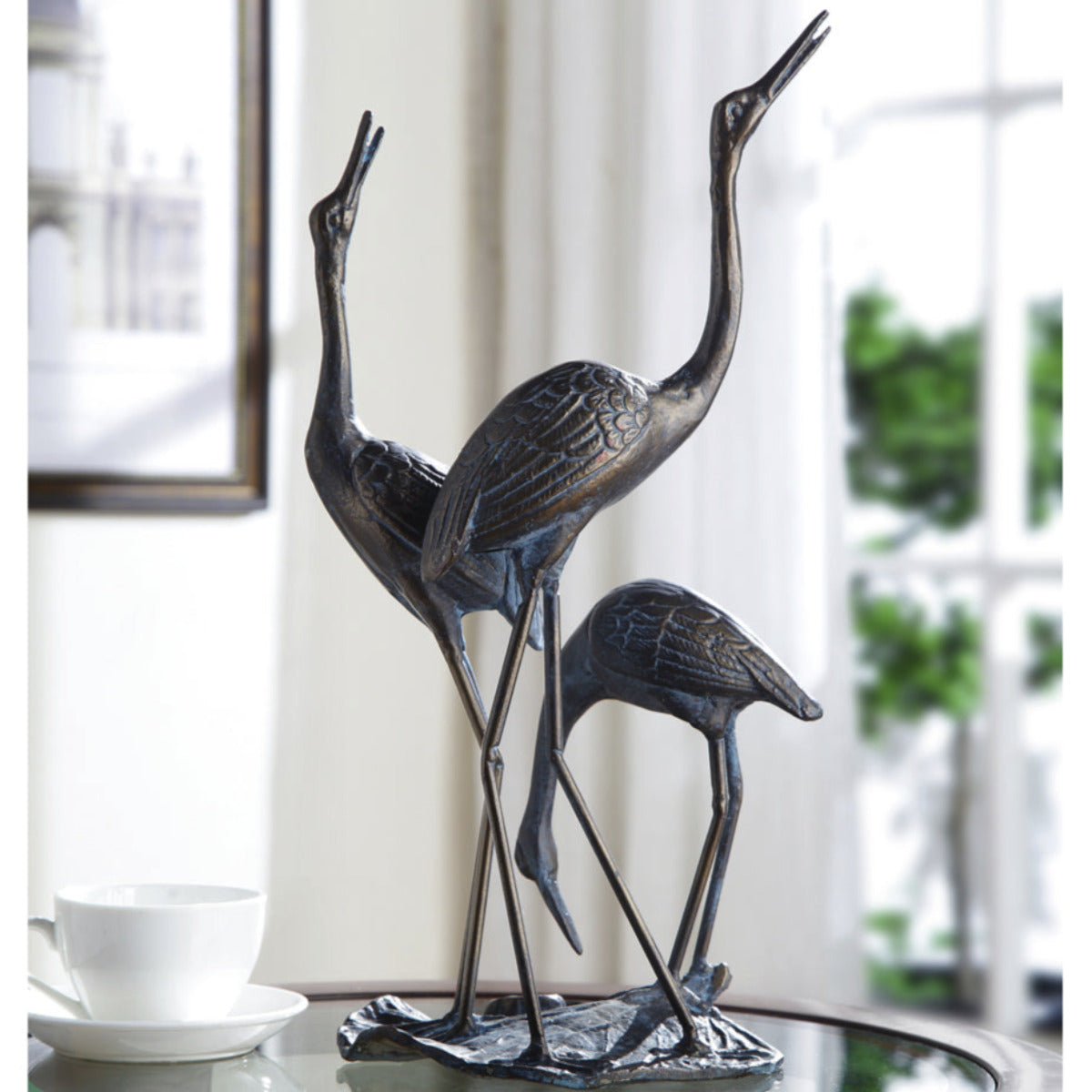
Songbirds, pheasants, cranes, eagles, angels and dragonflies introduce lighter silhouettes and movement. Pairs and small groupings can be especially useful for balancing a longer shelf or tabletop.
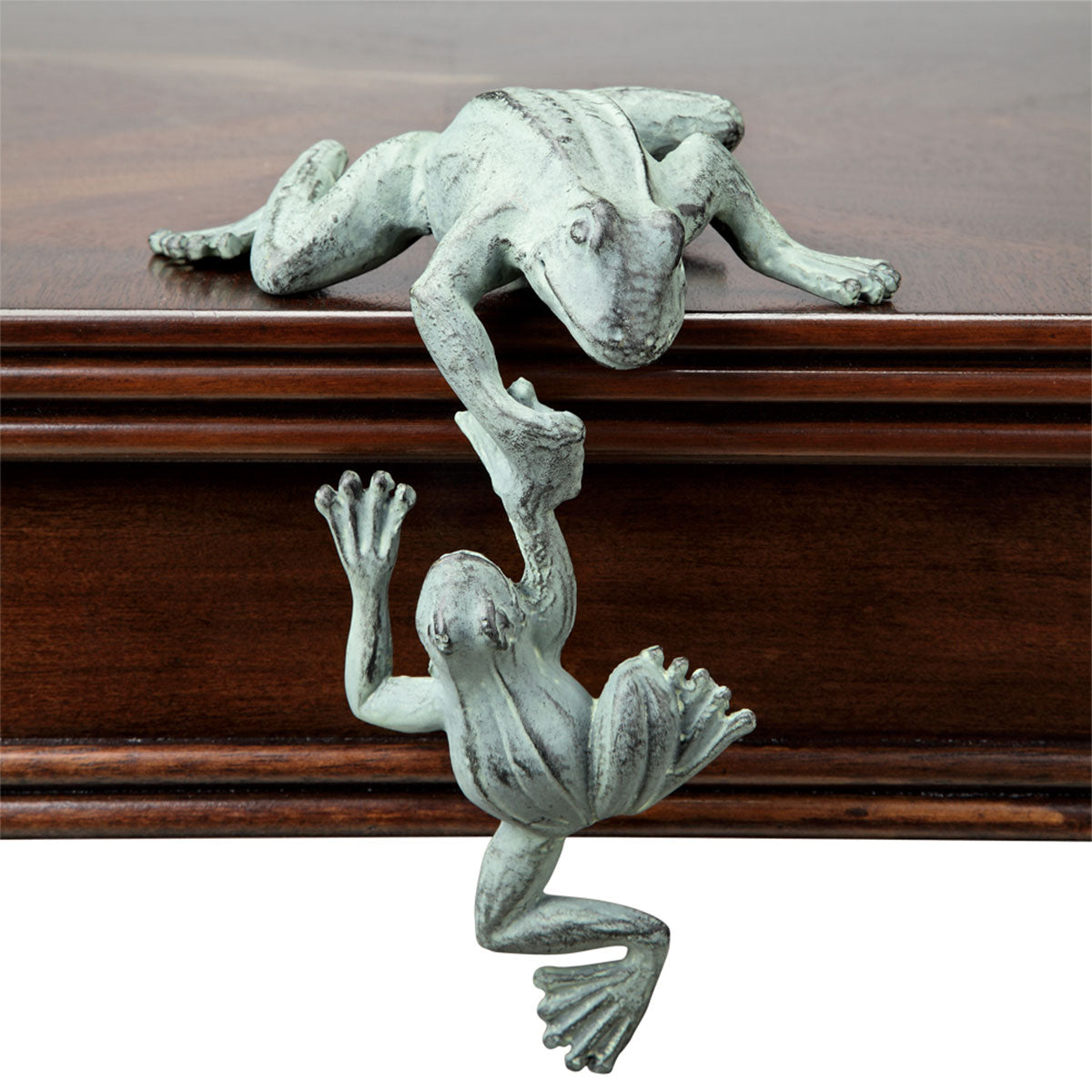
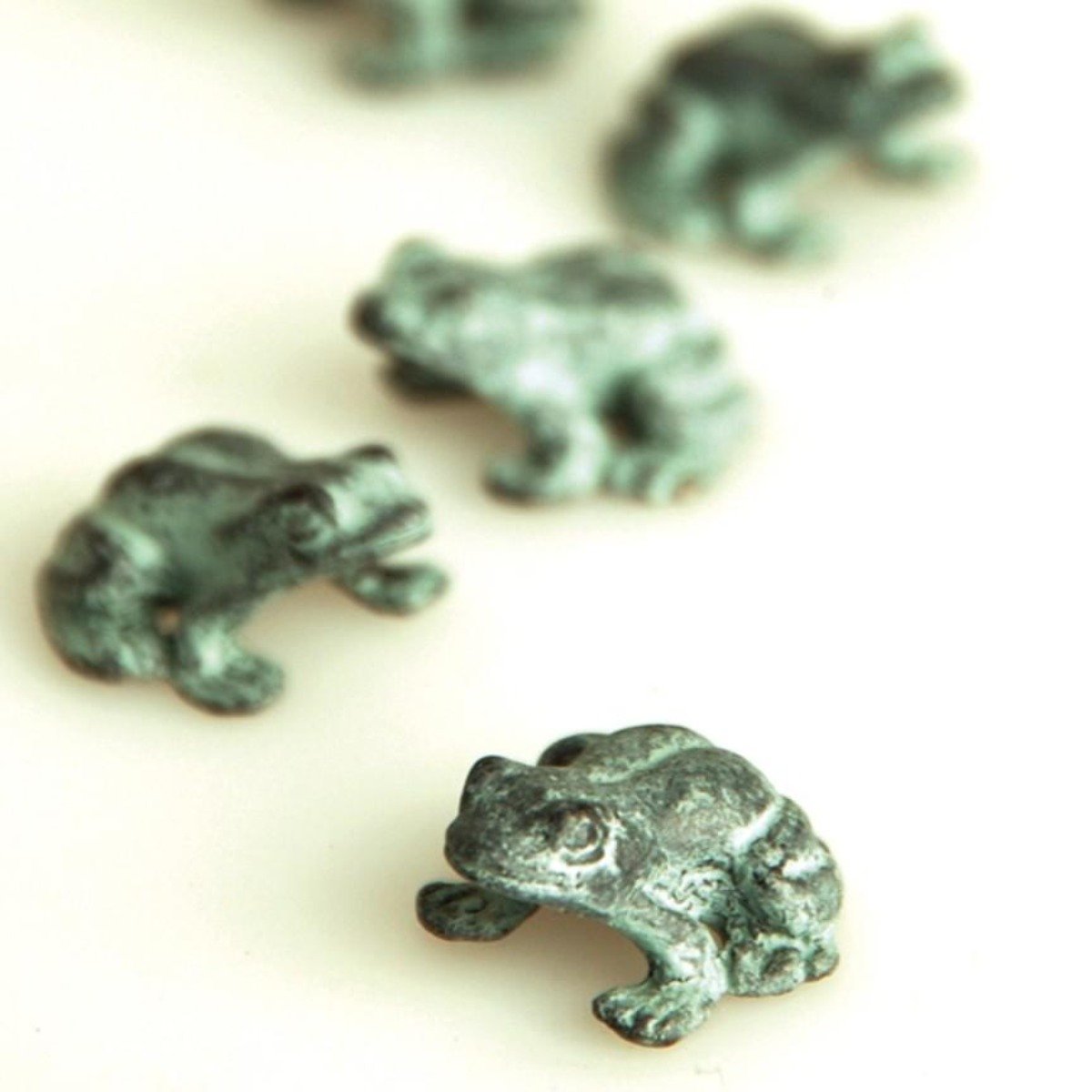
Yoga frogs, tiny mice and other playful characters add humor without requiring a large decorating commitment. Small pieces are particularly effective when discovered between books, framed photographs or useful objects.
Familiar Faces
The Eric + Eloise family extends beyond the well-known animal wall mounts. Busts, dish stands, butler stands and smaller decorative pieces bring Eric the Hare, Eloise the Fox, Frankie the Buck, Louie the Mouse and their companions onto tables, counters and shelves.
Material Changes the Mood
This is an intentionally varied collection. Construction and finish differ from piece to piece, so review the individual product specifications whenever a particular material matters to you.
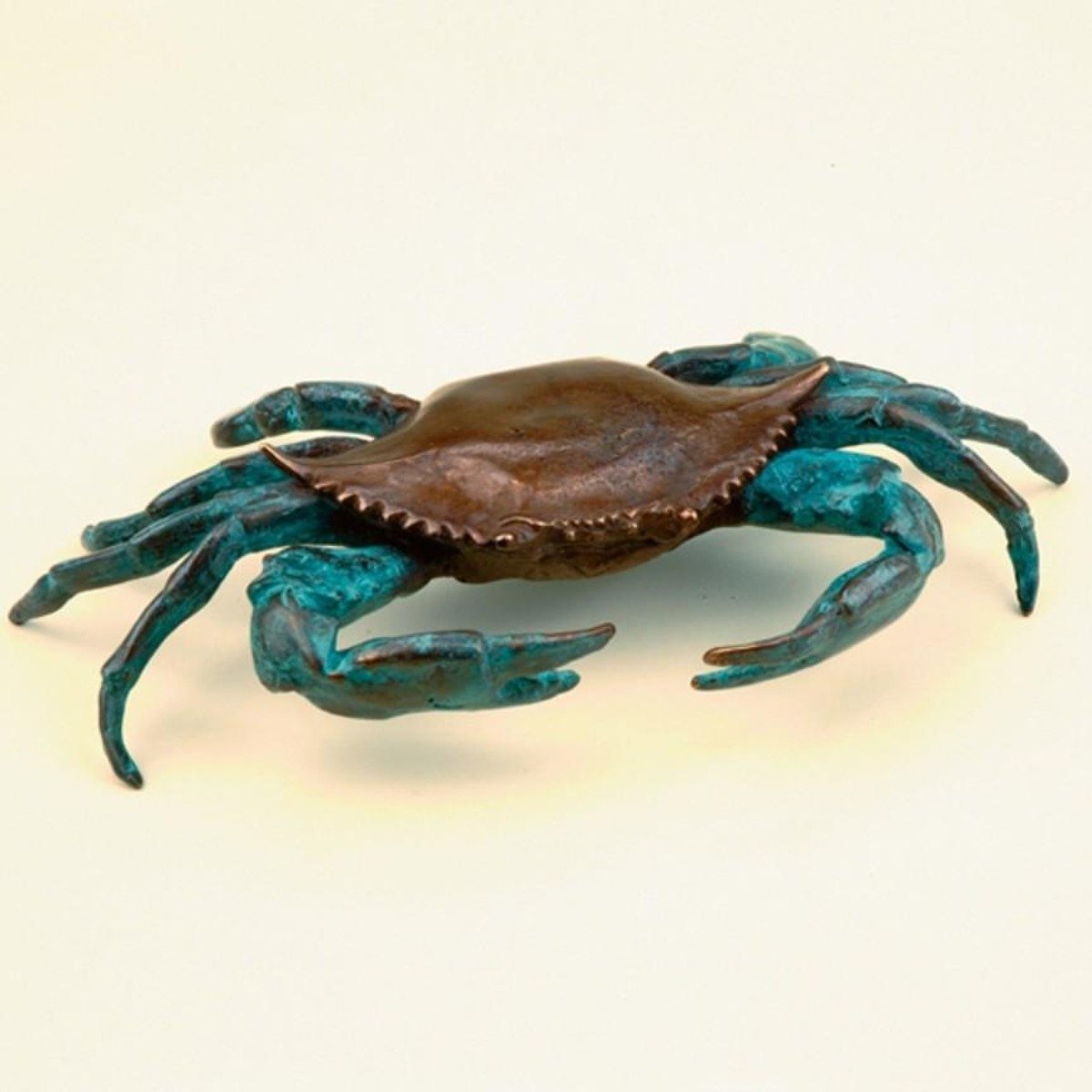
Cast iron and other metals give even a small decorative object visual weight and definition. Hammered texture, aged finishes and metallic patinas can make a figurine or sculpture feel collected rather than delicate.
Wood and wood-look surfaces bring grain, warmth and a more organic quality to decorative figures. Natural variation and hand-finished surfaces can make individual pieces differ subtly.
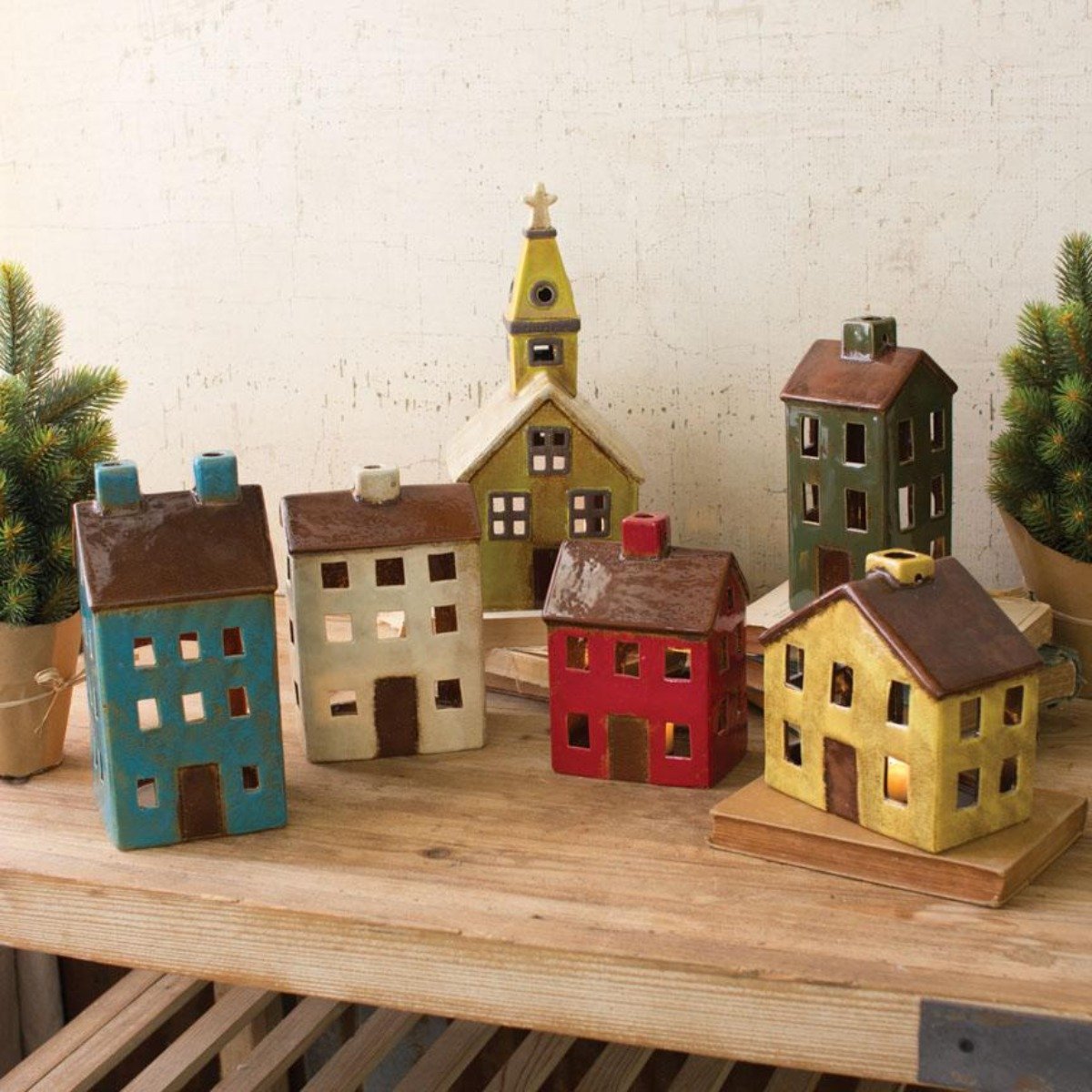
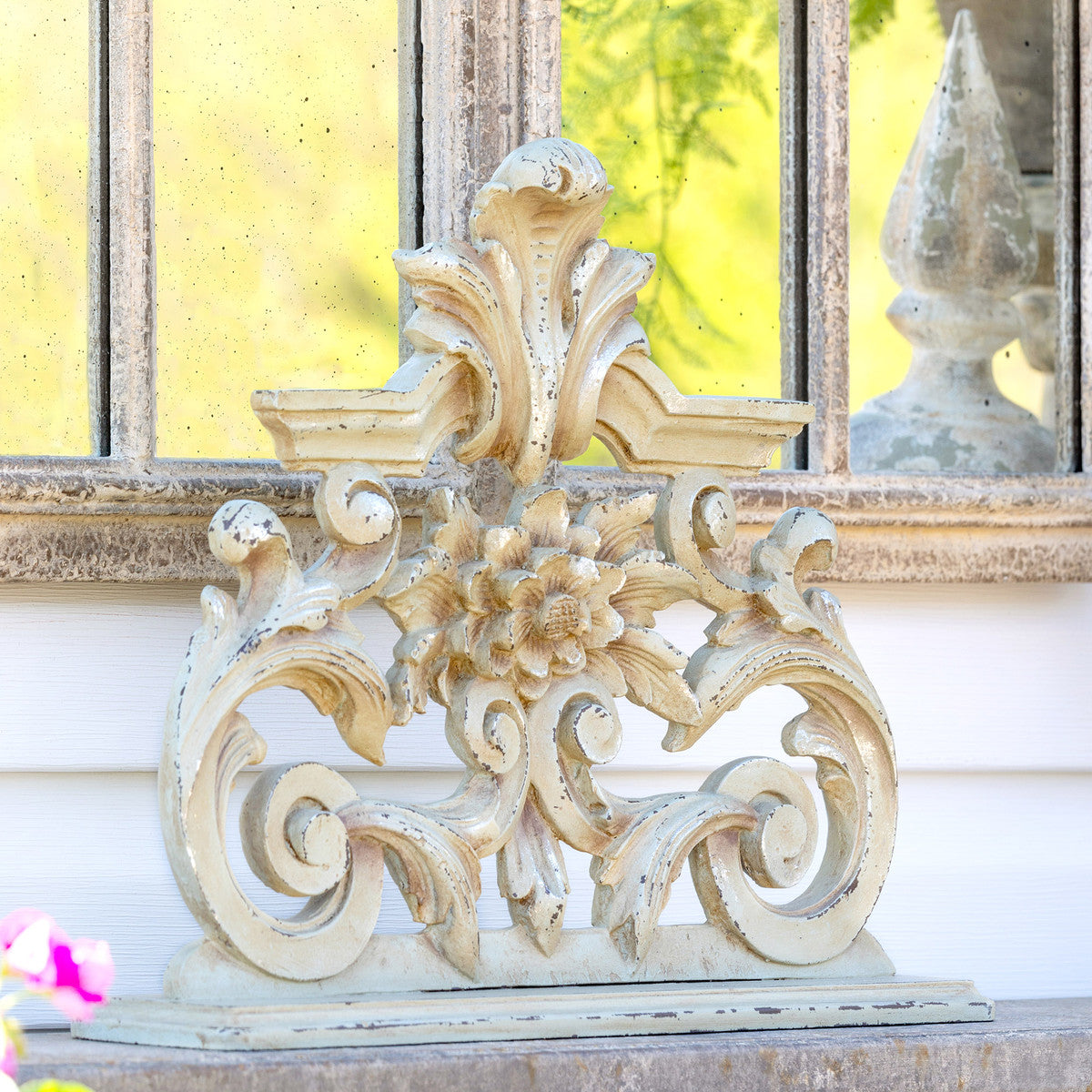
Ceramic, resin and composite materials allow detailed forms, unusual finishes and lighter-weight constructions. Some objects combine several materials to create more texture and contrast.
Find the Right Place for the Piece
Tuck smaller sculptures between books or give a larger object its own open space. Mixing upright books, horizontal stacks and sculptural pieces keeps shelving from becoming a repetitive row of similarly sized objects.
One distinctive figure can add personality without cluttering a useful surface. Pair it with a lamp, tray, books or framed photograph while leaving enough open room for the table to remain practical.
A taller sculpture can anchor one side of a mantel or console, while a pair can create symmetry. Check the height and depth carefully so the object relates comfortably to artwork, mirrors and other pieces nearby.
Style Without Over-Styling
Vary the heights. Combine taller sculptural pieces with lower books, bowls or boxes so the eye moves across the display rather than stopping at one flat line.
Mix shapes and materials. A metal animal beside old books, a ceramic object near wood, or a smooth surface beside something heavily textured creates more interest than repeating the same finish throughout.
Use groupings selectively. Three related objects can create a natural composition, but every piece does not need a companion. A sculpture with enough character may be stronger displayed by itself.
Leave some open surface. Empty space is part of the arrangement. It helps the shape of each decorative object stand out and keeps a shelf or tabletop from feeling crowded.
Product photography can make a small figurine appear much larger or a tall sculpture seem more compact than it really is. Compare the listed width, depth and height with the shelf, desk, mantel or tabletop where you plan to display it.
Looking for Something More Specific?
This collection focuses on sculptural and freestanding objects. Other decor categories make it easier to find pieces with a more specific function.
Choose this collection when you want an accent that can also gather keys, display seasonal pieces, hold small objects or become part of a tabletop centerpiece.
Vessels provide more height and can stand alone or hold greenery, branches and floral arrangements while introducing another material or finish to the room.
Decorative bookends and display stands combine sculptural character with a defined purpose, making them particularly useful on bookshelves, desks and kitchen counters.
Common Questions
Decorative objects are smaller freestanding pieces used to add shape, texture, color or personality to shelves, tables, desks, mantels and other surfaces. They can include figurines, sculptures, folk-art pieces, animal decor and collected objects that are primarily decorative rather than functional.
Decorative accent is a broader term that can include bowls, vases, candle holders, trays, bookends and many other finishing pieces. Decorative objects are more specifically freestanding sculptural pieces and figurines. Our Decor Accents collection links to both this collection and those more specialized categories.
Yes. The collection includes cast iron and other metal decorative objects along with wood, ceramic, resin and mixed-material pieces. Check each product description for its exact material rather than assuming every object is wrought iron.
The assortment changes, but animal and nature-inspired pieces may include rabbits and hares, deer, foxes, bears, moose, birds, cranes, frogs, mice, horses and other sculptural characters in a variety of materials and finishes.
Vary the height, shape and material of the objects and combine them with books, photographs or useful pieces. Avoid filling every open area. Leaving some negative space makes individual objects easier to see and usually creates a more natural, collected appearance.
There is no required number. Groups of three often create an easy asymmetrical arrangement, but two related pieces can feel balanced and a single distinctive sculpture may be strongest on its own. Let the size of the surface and the objects guide the grouping.
Do not assume so. Some pieces may also appear in outdoor collections or be made from materials appropriate for protected exterior spaces, but many decorative objects are intended only for indoor use. Follow the intended-use information on the individual product page.
Pieces with hand-applied finishes, natural materials or handcrafted construction may show subtle differences in color, texture, grain, patina or surface detail. The amount of variation depends on the individual product and how it is made.
Continue Decorating

Special Savings & Exclusive Offers